Our top selling Champagne Tours from Paris
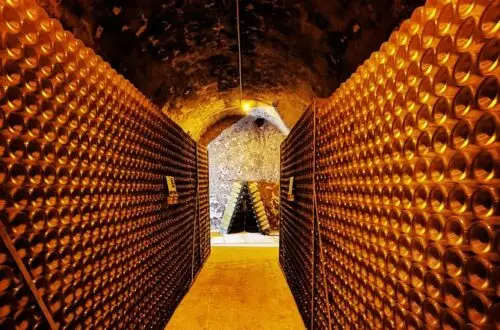
Veuve Clicquot Tour from Paris
Discover our most popular Champagne excursion from Paris, featuring the prestigious Veuve Clicquot house. Highlights include a guided tour and tasting at Veuve Clicquot’s legendary cellars and a vineyard lunch with curated tastings. Tours run from April to October.
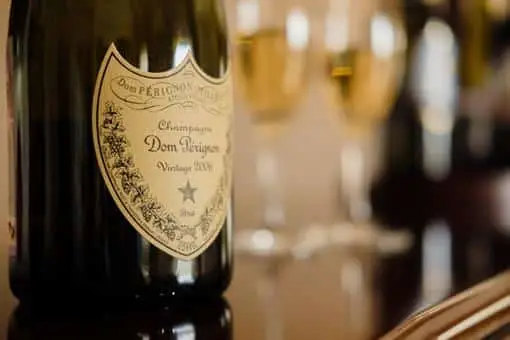
Private Champagne Tour from Paris
This intimate experience features private van pickup from your Paris address, a choice of major cellar, dedicated guide, and drop-off in time for your evening plans back in Paris. A perfect day to Champagne.
Individual Champagne House Tours
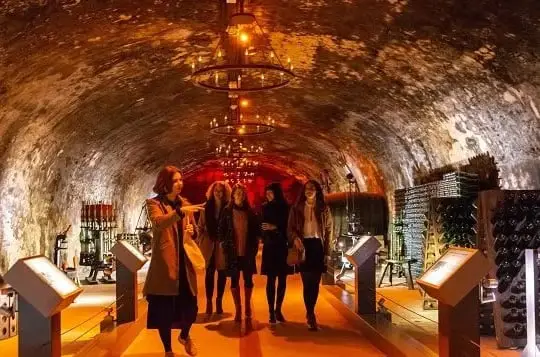
Mumm Cellar Tour
Experience the renowned G.H. Mumm cellars on a private day trip from Paris, complete with tastings of superior champagnes and time to explore charming Reims.

Taittinger Day Trip
Delve into the storied Taittinger cellars, then visit a local vineyard on this private half-day Champagne tour from Paris to Reims.
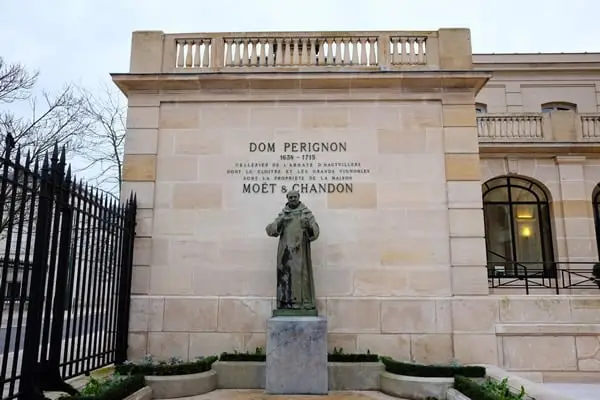
Moet & Chandon Champagne Cellar Tour
Enjoy the prestige of Moët & Chandon with a private tour of its historic cellars and exclusive Grand Vintage tasting—no hassles, direct from Paris.
Questions? Ask Maud. Award-winning AI. Instant answers. Or reach us by email, WhatsApp, or call 424-386-5222.
From Our Customers…
More Champagne Tours from Paris
- Three Days in Champagne – Immerse yourself in the region over three memorable days from Paris.
- Epernay Day Tour – Visit Moët & Chandon, explore charming Epernay, and meet a small family producer.
- Epernay Champagne Electric Bike Tour – Cycle through scenic villages and vineyards on a full-day electric bike journey from Paris, complete with tastings and a traditional lunch.

Champagne Adventures in Paris
- Paris Champagne Cruise – Glide along the Seine for an hour, sipping Champagne and learning about this glorious drink.
Planning Your Visit
Getting There
The TGV from Paris Gare de l’Est reaches Reims in 45 minutes—faster than crossing Paris by metro. Épernay is about 20 minutes further by regional train or car. Our guides meet you at the station; no rental car or navigation required. You’ll be touring cellars by mid-morning.
Best Time to Visit
Champagne houses welcome visitors year-round, though some smaller producers close in winter. Harvest season (September–October) brings buzz to the vineyards but busier crowds. Spring and early fall offer mild weather and thinner tourist traffic. Summer means longer days and vineyard lunches on sunny terraces.
Weather
The Champagne region sits further north than most French wine country. Expect cooler temperatures than Paris—bring a layer for the cellars, which stay around 50°F (10°C) year-round. Rain is possible any season, but rarely heavy.
How Long to Spend
A day trip covers one or two houses comfortably with time for lunch and a vineyard visit. Our Champagne day trips return you to Paris by early evening. For a deeper immersion—more houses, smaller producers, leisurely vineyard meals—consider our Three Days in Champagne itinerary.
Frequently Asked Questions
Can I visit Champagne in one day from Paris?
Yes. The TGV gets you to Reims in 45 minutes. A full day allows time for two cellar tours, a vineyard visit, tastings, and lunch before returning to Paris for dinner.
Which Champagne house should I visit?
Each has its character. Veuve Clicquot is our most popular—iconic cellars, great tour, excellent vineyard lunch. Moët & Chandon offers the grandest scale. Taittinger has the most atmospheric ancient cellars. Mumm pairs well with exploring Reims. Can’t decide? Our Private Champagne Tour lets you customize.
Is tasting included?
Yes. All our Champagne tours include tastings—typically two to four pours depending on the tour. Lunch tours include wine pairings with the meal.
Do I need to speak French?
No. All cellar tours on our itineraries are conducted in English. Our guides handle any French interactions along the way.
What’s the difference between Reims and Épernay?
Reims is a proper city—Gothic cathedral, restaurants, street life—with several major houses (Veuve Clicquot, Mumm, Taittinger, Pommery). Épernay is smaller and quieter, home to Moët & Chandon and the famous Avenue de Champagne. Our tours visit both depending on which houses you want to see.
Can I buy bottles to bring home?
Absolutely. The houses offer bottles for purchase, including prestige cuvées and vintages not available elsewhere. Your guide can help with shipping if you buy more than you can carry.
Do you offer private tours?
Yes. Any tour can be made private for your group, with pickup from your Paris address and a customized itinerary. Contact us for pricing.
What about small family producers?
Our vineyard visits feature smaller, family-owned estates where you’ll meet the winemakers and taste grower Champagnes you won’t find at home. It’s a different experience from the grand houses—more intimate, often more memorable.
About the Great Champagne Houses
The Champagne region is home to legendary names that have defined luxury for centuries. Each house has its own story, style, and cellars—some stretching miles underground through ancient chalk tunnels. Here are the houses you’ll visit on our tours.
Veuve Clicquot
The “Widow Clicquot” took over her husband’s struggling wine business in 1805 at age 27. Within decades, she transformed it into one of the world’s most recognized brands. Madame Clicquot invented the riddling rack—the technique that clarifies champagne—and created the first known vintage champagne and the first blended rosé.
Her cellars beneath Reims run through 24 kilometers of chalk tunnels, some dating to Roman times. The house signature is bold, fruit-forward champagne with the iconic yellow label. Our Veuve Clicquot tour includes a cellar visit, tasting, and vineyard lunch—our most popular Champagne day trip.
Moët & Chandon
The largest champagne house and the name behind Dom Pérignon. Founded in 1743, Moët supplied Napoleon Bonaparte (a personal friend of the founder’s grandson), and the house has been synonymous with celebration ever since. They produce roughly 30 million bottles annually.
The cellars in Épernay stretch 28 kilometers beneath the Avenue de Champagne—the most expensive street in the world by land value. Our Moët tour includes the Grand Vintage tasting in their historic cellars, plus time to explore Épernay’s charming center.
G.H. Mumm
Mumm’s red diagonal sash—the Cordon Rouge—has marked celebrations since 1876. The house was founded by German immigrants in 1827 and became the official champagne of Formula 1 podiums for decades. Today it remains one of the top-selling champagnes worldwide.
Their Reims cellars house 25 million bottles aging in chalk caves. The tour includes their art collection alongside the champagne education. Our Mumm day trip pairs the cellar visit with time in Reims to see the cathedral where French kings were crowned.
Taittinger
Still family-owned after nearly a century, Taittinger occupies some of the oldest cellars in Champagne—fourth-century Gallo-Roman chalk pits and the crypts of a demolished medieval abbey. The house style is elegant and refined, with a higher proportion of Chardonnay than most.
The cellars feel ancient because they are. Monks aged wine here 800 years before the Taittinger family arrived. Our half-day Taittinger tour includes the atmospheric cellar visit plus a stop at a local vineyard to see where the grapes actually grow.
Pommery
Madame Pommery, another visionary widow, transformed her husband’s wool trading business into a champagne empire and pioneered the dry “Brut” style that dominates today. Before her, champagne was sweet. She also commissioned the extraordinary carved chalk caves beneath Reims—underground galleries decorated with massive bas-relief sculptures.
The Pommery cellars are unlike any other: 18 kilometers of tunnels featuring contemporary art installations alongside millions of aging bottles. It’s part museum, part wine cellar, entirely unique.
About Champagne Wine
True Champagne comes only from this region—120 miles northeast of Paris, where chalky soil and a cool climate create grapes with the precise acidity needed for great sparkling wine. Everything else is just sparkling wine.
The Méthode Champenoise
What makes Champagne special isn’t just terroir—it’s the method. After an initial fermentation, winemakers add yeast and sugar to each bottle, triggering a second fermentation that creates the bubbles. The bottles then age on their lees (spent yeast cells) for at least 15 months, often years, developing complexity and that characteristic biscuity richness.
The riddling process—invented by Madame Clicquot—gradually rotates each bottle until the sediment collects in the neck. A quick freeze, a pop of the cap, and the plug of frozen sediment shoots out. A dose of sugar (the “dosage”) determines final sweetness, from bone-dry Brut Nature to sweet Doux.
The Grapes
Three varieties dominate: Chardonnay (elegance, citrus, minerality), Pinot Noir (body, red fruit, structure), and Pinot Meunier (softness, approachability). Most Champagnes blend all three. Blanc de Blancs uses only Chardonnay; Blanc de Noirs uses only the red grapes, pressed gently to keep the juice white, and with no skin maceration.
The Terroir
Beneath the vineyards lies deep chalk—ancient seabed compressed over 70 million years. The chalk drains excess water while retaining just enough moisture. Vine roots dig deep, sometimes 30 feet, pulling up minerals that give Champagne its signature freshness. Those same chalk deposits form the cellars where the wine ages at a constant cool temperature year-round.