
The short version
- Bayeux is the base for the D-Day beaches. Direct regional trains from Paris Saint-Lazare take 2 hours 12 minutes at the fastest, 13 a day, from €17, and the station is a 10 to 15 minute walk from the old town.
- Our Normandy D-Day Tour meets you on the platform here and covers six sites in a day. The overnight adds a night in a 3-star hotel in the center and Mont-Saint-Michel the next morning.
- The Bayeux Tapestry museum closed on September 1, 2025 for rebuilding and reopens in autumn 2027. The Tapestry itself is on show at the British Museum in London from September 10, 2026 to July 11, 2027.
- The cathedral, consecrated in 1077 with William the Conqueror present, is free. The Battle of Normandy museum is €8.50, with tickets at the desk only, and closes for two weeks in January.
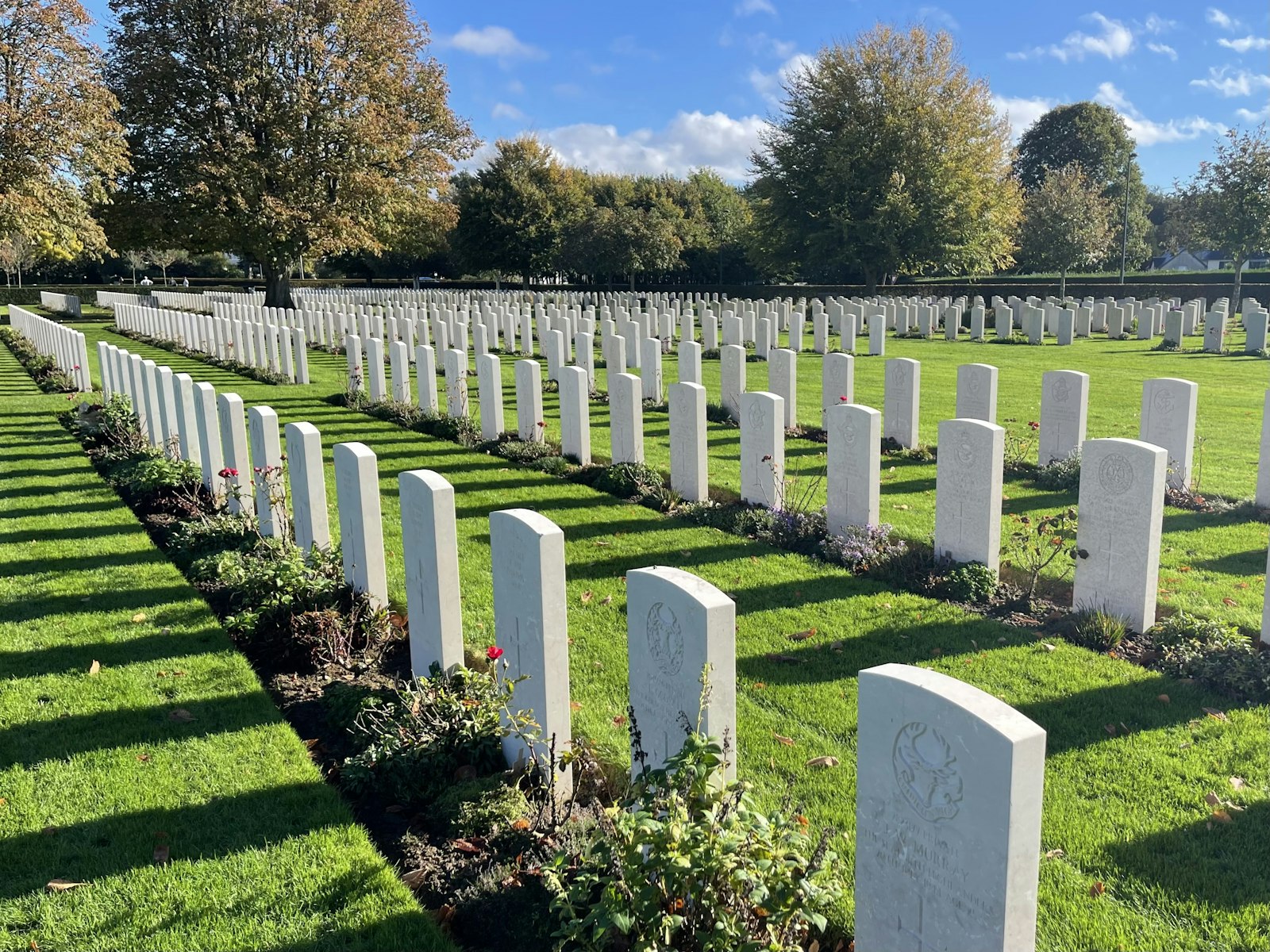
- Bayeux War Cemetery, the largest Commonwealth cemetery of the Second World War in France, is next to the museum, free, with the memorial opposite open at all hours.
- The town was spared in 1944. The Saturday market fills Place Saint-Patrice from 7:30 to 14:00, and the Wednesday market runs along rue Saint-Jean.

What to see
The Tapestry, 70 meters of 11th-century embroidery telling the conquest of England in 1066, is not in Bayeux. It left for London on July 9, 2026, and the British Museum shows it until July 11, 2027, £33 with a timed ticket; January to March 2027 is sold out. Its museum is being rebuilt and reopens in autumn 2027. Until then, the town has a free exhibition on the Tapestry’s conservation at the MAHB and the Battle of Normandy museum, running to September 2027, and an immersive Tapestry experience opens on December 17, 2026.
The cathedral was consecrated in 1077 by Bishop Odo, William’s half-brother, who commissioned the Tapestry to hang in its nave. Most of what you see is 13th-century Gothic over the Romanesque core. Entry is free, from about 9:00 or 10:00 to 18:00, outside services.
The Musée Mémorial de la Bataille de Normandie, on the ring boulevard, is the one museum that covers the whole campaign from June 7 to August 29, 1944, not just the landings. Give it one to two hours, €8.50, tickets at the desk. A €14 pass adds the MAHB.
Across the boulevard, Bayeux War Cemetery holds 4,144 Commonwealth graves and more than 500 others, most of them German. The memorial opposite names more than 1,800 men with no known grave. A few steps away, the Reporters’ Memorial is a walk lined with white stones carrying the names of journalists killed at work since 1944, built with Reporters Without Borders.
Walk the old town on the 2.5-kilometer heritage trail, 23 panels, about 90 minutes, from the water wheel on rue de Nesmond past the half-timbered houses and the manors along the Aure. General de Gaulle made his first speech on liberated French soil here on June 14, 1944. The MAHB, in the old bishop’s palace beside the cathedral, has the town’s lace and porcelain, and at the Conservatoire de la Dentelle the lace-makers work in front of you, free, Monday to Saturday.
Getting there and around
Trains run direct from Paris Saint-Lazare to Bayeux; the board may say Cherbourg, because Bayeux is a stop on the way. On Saturdays, Sundays and holidays the morning trains arrive later. From the station, the museums are 10 to 15 minutes on foot and the cathedral a few minutes more.
Getting to the beaches is the problem. In July and August a summer bus runs from the station to the American Cemetery three times a day, about 40 minutes each way. The rest of the year the only bus toward the coast goes to Arromanches, Monday to Saturday, and we found no bus to Utah Beach or Sainte-Mère-Église in any season. Taxis run on the meter, with no fixed fares.
That is why our tour meets the train. The guide is on the platform at about 8:40 a.m., the van covers Sainte-Mère-Église, Utah, Omaha, Pointe du Hoc, Arromanches and the American Cemetery, and you are back at the station for the evening train. Already staying in town? The same day from Bayeux leaves the station at 9:00 a.m., $230, eight guests at most.
If you drive, the green parking zones are free, the blue zones give four hours with a disc, and the red zone in the center is paid with a three-hour limit.
When to go
The D-Day Festival runs from late May to mid-June, with parades and ceremonies along the coast; in 2026 it ran May 30 to June 14. We don’t run the tour on June 6, and that week books up early.
Summer brings the medieval festival on the first weekend of July, free, and a projection show on the cathedral on Tuesday, Thursday and Saturday nights from mid-July to the end of August.
In early October the Prix Bayeux for war correspondents fills the town with photo exhibitions that stay up into November. Scallop season on the coast runs October to May, with a scallop festival at Port-en-Bessin on November 7 and 8, 2026.
At Caen, the nearest weather station, July averages a high of about 23°C, and it rains 12 to 14 days a month from October to January. In winter the museums keep split hours and close for about two weeks in January, and no bus goes to the beaches. The tour runs all year except major holidays.
Frequently Asked Questions
Is the Bayeux Tapestry open?
No. The museum closed on September 1, 2025 for rebuilding and reopens in autumn 2027. The Tapestry is at the British Museum in London until July 11, 2027. In Bayeux you can see the free exhibition on its conservation at the MAHB and the Battle of Normandy museum, and from December 17, 2026 an immersive version of the Tapestry.
How do you get from Paris to Bayeux?
Take the direct regional train from Paris Saint-Lazare, 2 hours 12 minutes at the fastest, from €17. The station is a 10 to 15 minute walk from the center. Our D-Day tour meets the morning train on the platform.
Can you get to the D-Day beaches from Bayeux without a car?
In July and August, partly: a bus runs from the station to the American Cemetery three times a day, and from there Omaha Beach is below the bluff. The rest of the year we found no bus to the cemetery, Omaha or Pointe du Hoc, and none to Utah or Sainte-Mère-Église in any season. Our tour takes you to all six in a day from the station.
What should I eat in Bayeux?
Drink the cider and the Calvados, and buy Camembert, Livarot and Pont-l’Évêque at the Saturday market. From October to May, order scallops from Port-en-Bessin, the fishing port on the coast north of town. Finish with teurgoule, the slow-baked rice pudding with cinnamon.
Is there a tour that starts in Bayeux?
Yes. Our Normandy D-Day Tour from Paris meets you on the platform at Bayeux station, $230 or $352 with second-class rail, eight guests at most, every day except major holidays and June 6; weekends run as private tours. The D-Day and Mont-Saint-Michel overnight adds a night in a 3-star hotel in central Bayeux, $725, departing Monday to Friday.
Our Most Popular Day Trips From Paris
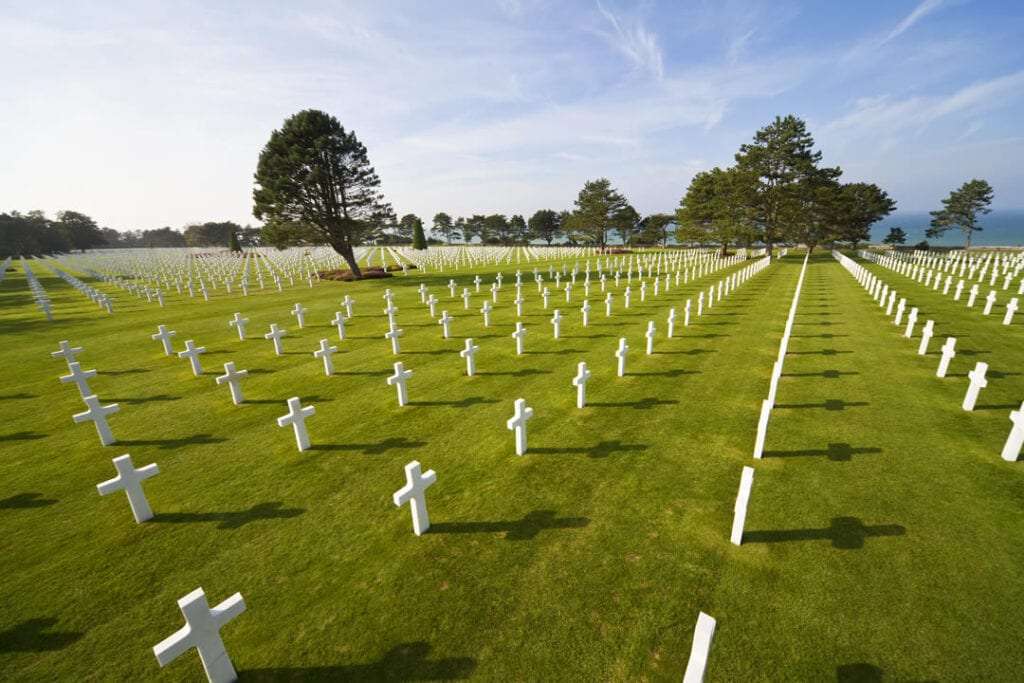

See the D-Day beaches and Mont Saint Michel. Overnight in charming Bayeux.

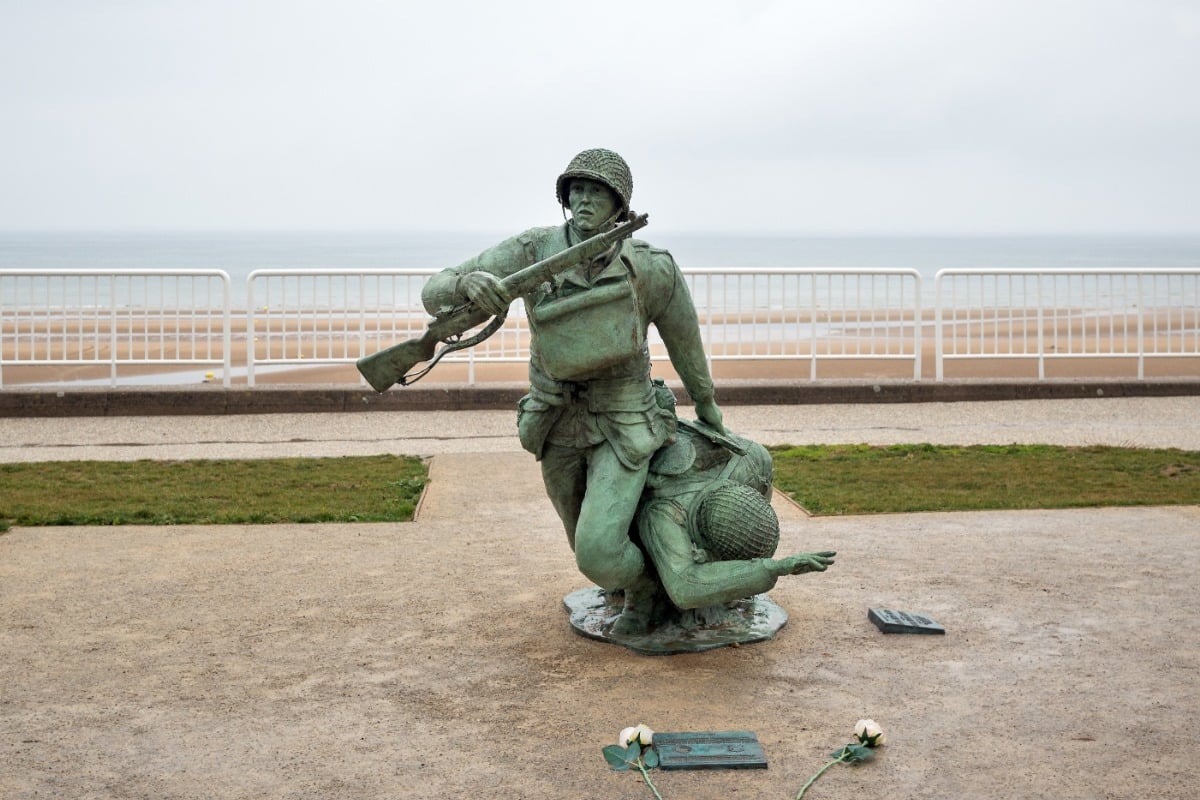
Your own expert driver-guide for the entire day. Flexible routing for up to 6 people.

Mont St. Michel, Omaha Beach and the American Cemetery packed into one long day.
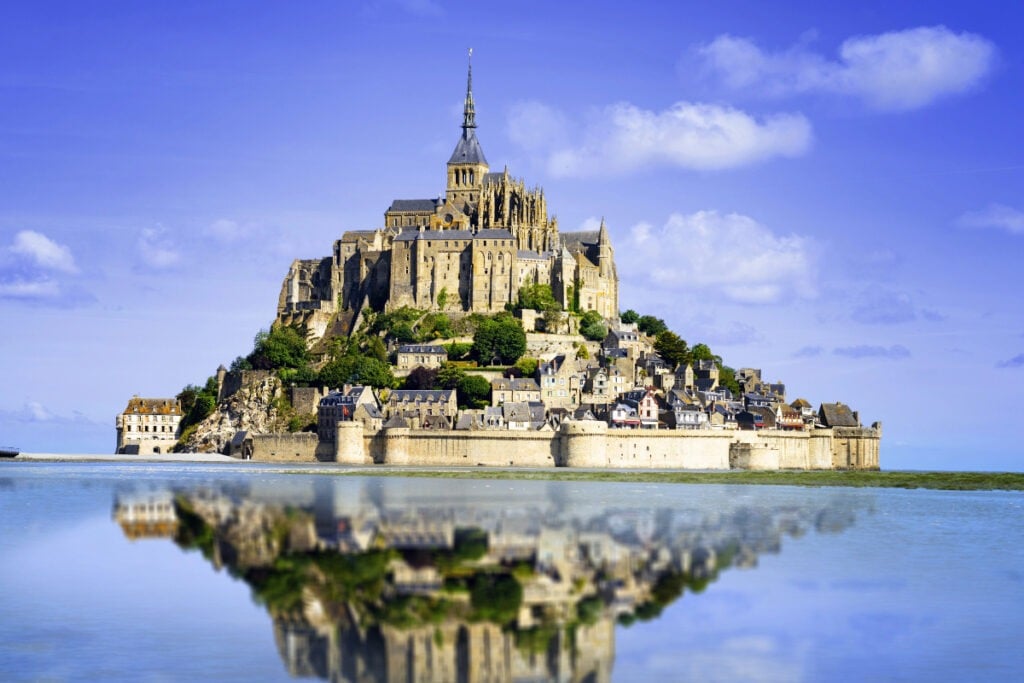
Visit the historic abbey and environs. Marvel at this UNESCO World Heritage site.