The short version
- Come through Dijon for a day. Sleep in Beaune if you stay longer.
- Taste a village wine next to a Premier Cru early on. After that the labels make sense.
- Book months ahead for the third weekend of November. The wine auction fills every hotel in Beaune.
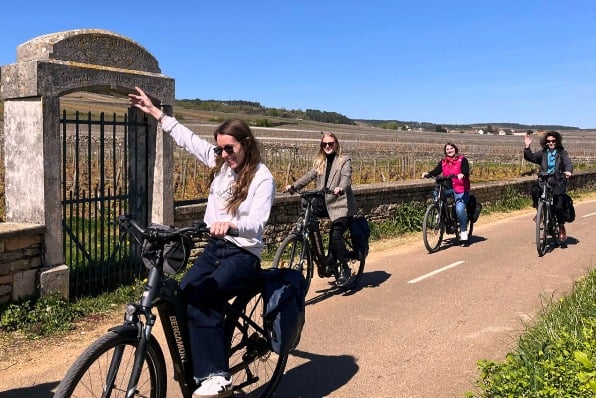
- Ride the wine road on our small-group day.

What to see
The vineyards
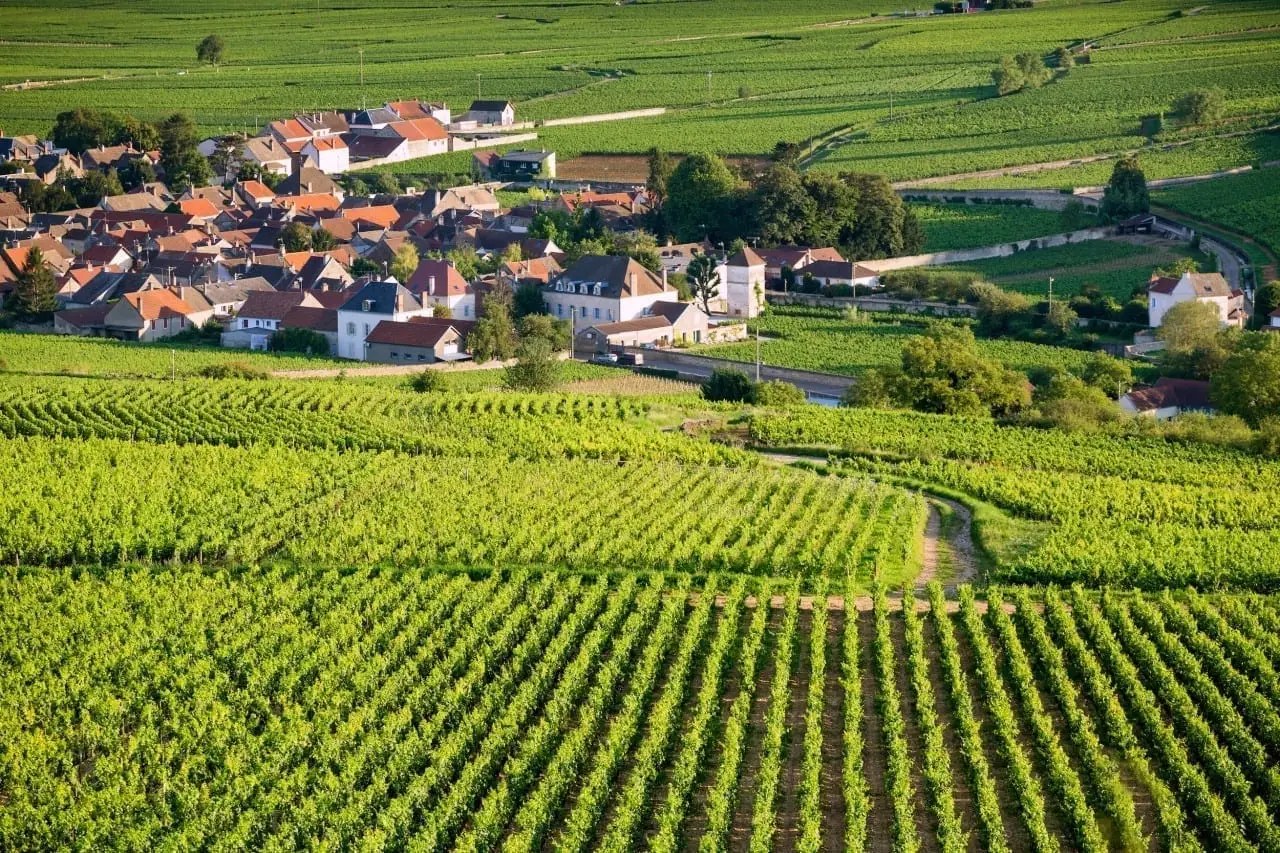
Burgundy grows two grapes, Pinot Noir for red and Chardonnay for white. What changes is the ground. Monks spent centuries working out which strip of hillside made the best wine, and the story goes that they tasted the dirt. The map they drew is still the one on the labels.
The dukes took it just as seriously. In 1395 Philip the Bold ordered every Gamay vine in his lands pulled up and called the grape vile and disloyal. Gamay moved south to Beaujolais, where it is doing fine.
The Clos de Vougeot
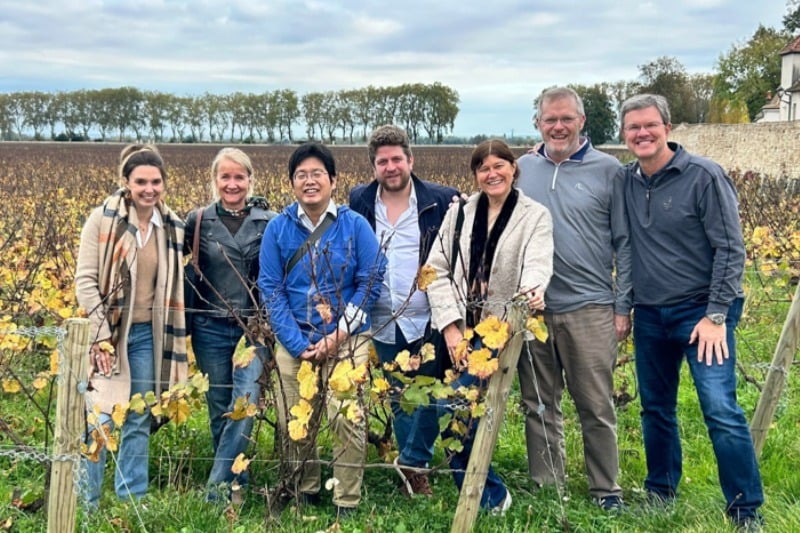
Cistercian monks planted this vineyard in the 1100s and built a stone wall around it that still stands. Their château sits in the middle of the vines, with wine presses the size of a small house. The Revolution took it from the monks. Today the one walled field has about 80 owners, and each makes a wine of their own from a few rows.
Romanée-Conti
The most expensive wine in the world comes from a field of about four and a half acres, marked by a plain stone cross. In 1760 the Prince de Conti outbid Madame de Pompadour, the king’s mistress, to get it. Then he kept every bottle for his own table.
Montrachet
Farther south the red turns to white. Montrachet is a walled plot of about 20 acres, shared by more than a dozen owners. Many people call its wine the best dry white in the world. The novelist Alexandre Dumas said it should be drunk on your knees with your hat off.
Beaune and the Hospices
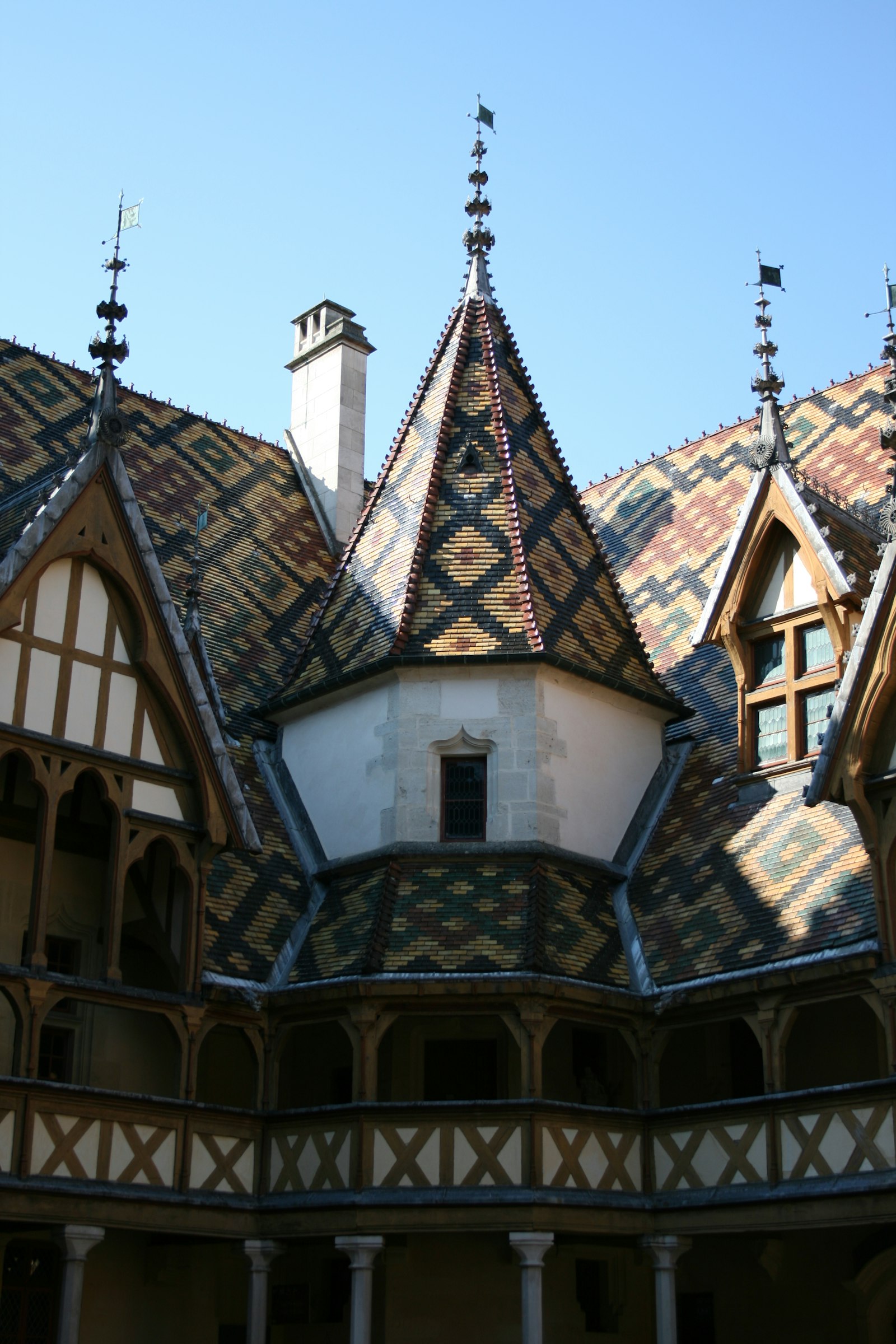
Beaune is the wine capital, a small walled town with cellars under most of its streets. In 1443 the duke’s chancellor, Nicolas Rolin, built a hospital for the poor here and gave it a roof of colored glazed tiles. The king is said to have remarked that Rolin had made enough people poor to owe them one.
The beds in the great hall face the altar, so the sick could follow Mass lying down. The hospital treated patients until 1971. It owns vineyards given to it over five centuries, and since 1859 an auction of their wine has paid the bills.
The table
This is the home of beef bourguignon, coq au vin, snails in garlic butter and the small cheese puffs called gougères. The mustard comes from Dijon. So does the kir, white wine with a little blackcurrant liqueur. It is named for Canon Kir, a priest and Resistance hero who became mayor of Dijon and poured it for every visitor.
Getting there
The TGV to Dijon leaves from Paris Gare de Lyon. The vineyards start at the edge of Dijon and run south past Beaune along one road, the Route des Grands Crus.
In Beaune the big cellars in town take walk-ins. A few of the wine villages have stations, and a bike route runs through the vines.
When to go
The vines are green from May and gold in the last weeks of October. Harvest time is the liveliest, with tractors on every road.
Auction weekend in November turns Beaune into one long street party.
Frequently Asked Questions
Is Burgundy a day trip from Paris?
Yes. The TGV reaches Dijon in 1 hour 35 minutes, with a morning train out and an evening train home. Burgundy, Bordeaux or Champagne compares the three wine regions.
Beaune or Dijon?
Dijon has the direct TGV, the dukes’ palace and the mustard. Beaune has the Hospices and the walk-in cellars. For a day, start in Dijon. For a stay, sleep in Beaune.
What do the labels mean?
There are four levels. A regional wine says Bourgogne, a village wine names its village, and a Premier Cru adds the name of a good plot. A Grand Cru carries only the name of its vineyard.
Can you visit the vineyards without a car?
Some of them. A few villages have stations, and there is a bike route through the vines. The small producers are easier with a car or a driver.
Is there a Burgundy tour from Paris?
Yes. Our Burgundy Day Tour starts in Dijon and drives the wine road, with a tasting workshop, lunch at a winery, the Montrachet vineyard and a family producer. It is $300 per person, or $471 with second-class rail, with at least seven wines and lunch included. It runs Monday to Saturday from April through October, with eight guests at most.
Our Most Popular Day Trips From Paris
Visit France’s other premier wine region! Sample world-class wines and explore charming villages.