The short version
- Walk north on one bank and come back on the other, crossing on the iron footbridges.
- When a boat enters a lock, stop and watch. The show takes about 15 minutes.
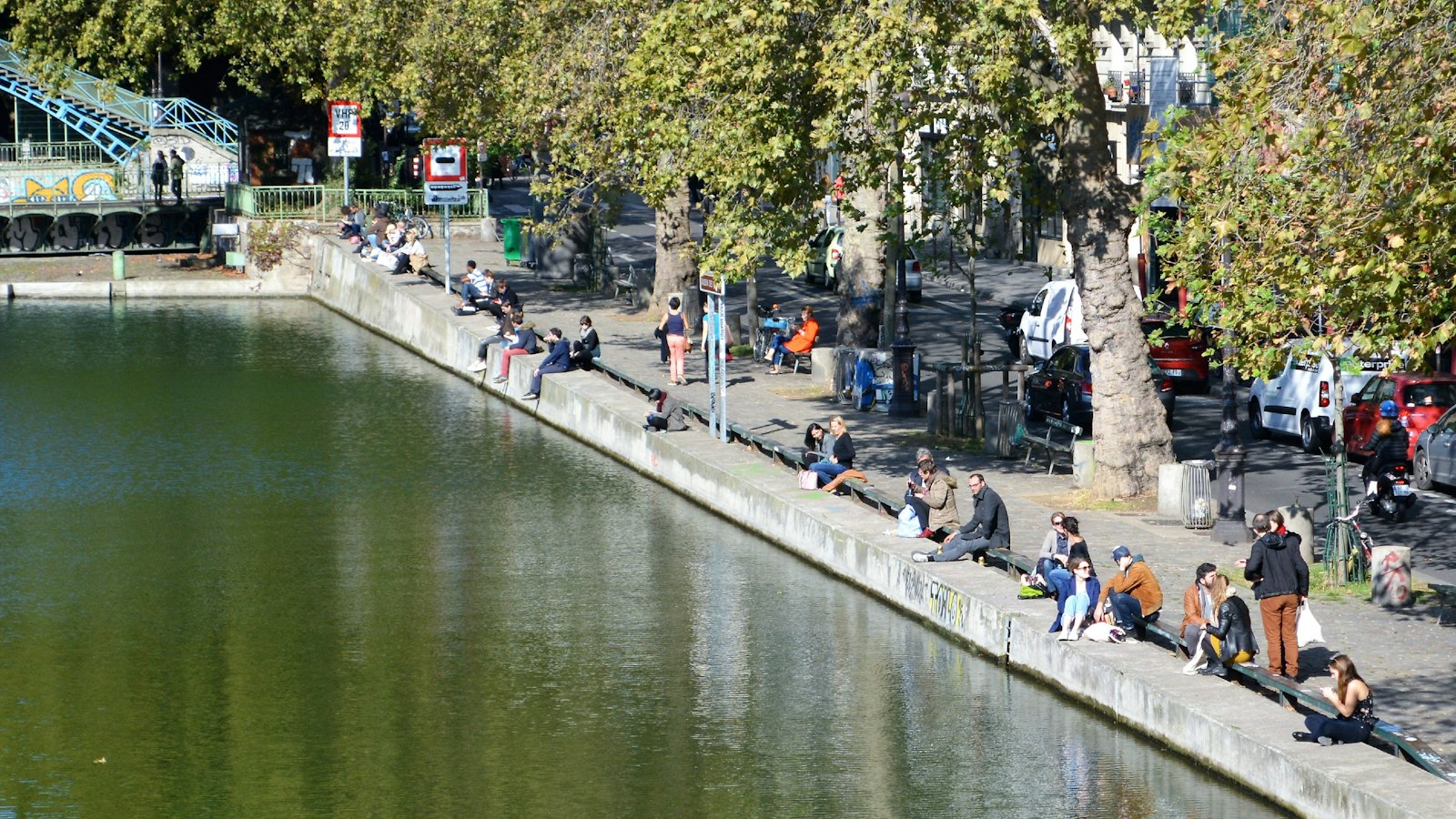
- On a warm evening, bring a picnic and sit on the edge with everybody else.

The walk
Where the canal comes up
From République, walk east to the square Frédérick-Lemaître. The canal comes out of a tunnel here, after more than a mile under the boulevards. Baron Haussmann put a lid on that stretch in the 1860s. It made a handsome boulevard on top, and it took away a moat that rioters in the east end had used against the army.
The locks
Head north up the quai de Valmy, under the plane trees. Napoleon ordered the canal in 1802 to bring clean water to a city that was short of it, and he paid for it with a new tax on wine. For a century the barges brought in grain, coal and building stone. The locks still work the way they always did. The gates close, the water drops, and the boat rides down with it.
The footbridges
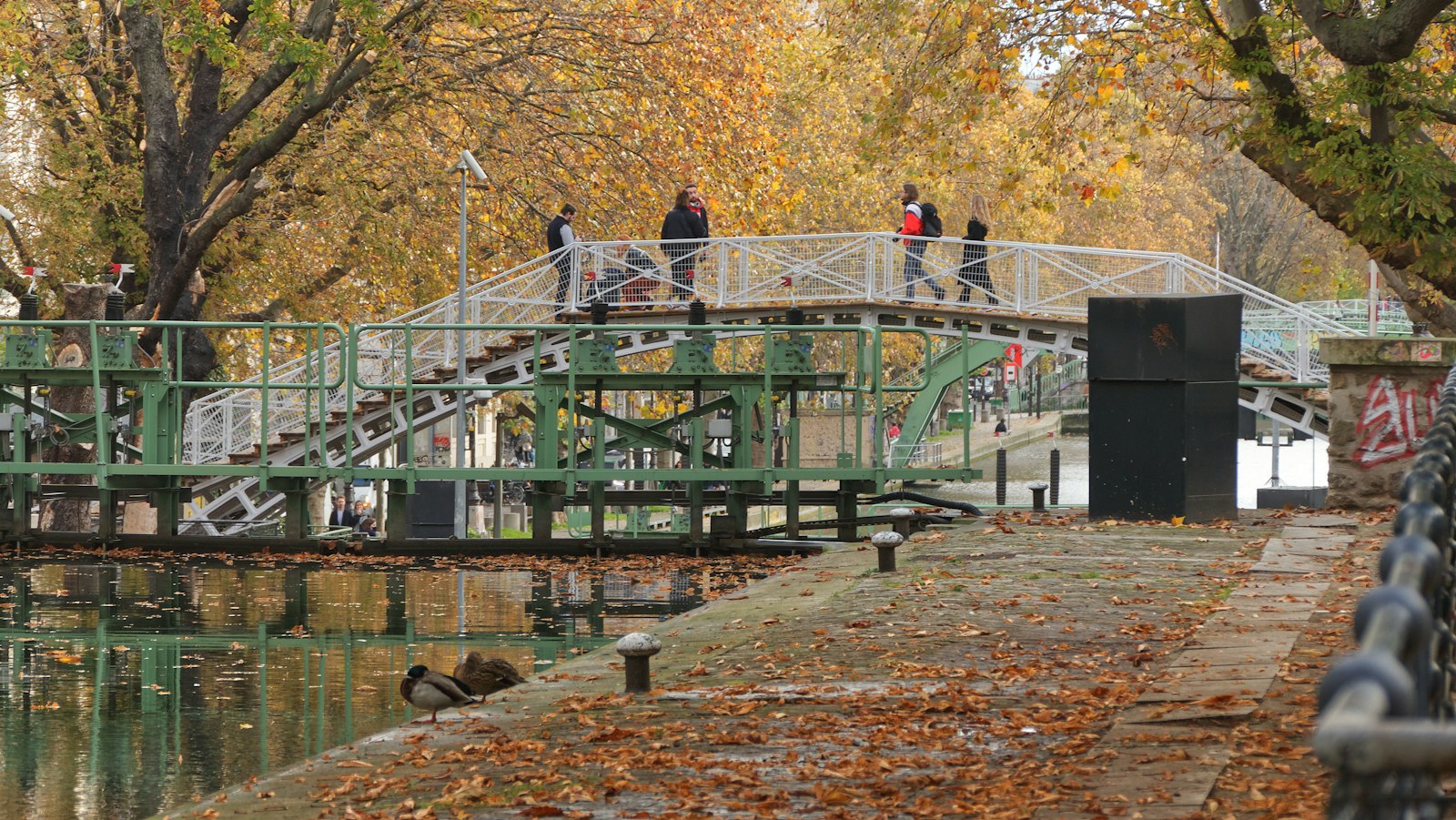
Cross on the arched iron footbridge by rue de Lancry, the one in every photograph. Up top you are level with the leaves. In the film Amélie, this is the canal where she skips stones. Rue de Lancry and rue Beaurepaire, just off the water, have the small shops, the bookstores and the coffee.
The Hôtel du Nord
Come back down the quai de Jemmapes to number 102. Marcel Carné’s 1938 film Hôtel du Nord made this plain little hotel famous, though almost none of it was shot here. He rebuilt the canal, footbridge and all, in a studio outside Paris. In it the actress Arletty snaps the most quoted line in French movies, about not having a face for atmosphere. The real hotel is a restaurant and bar now, behind the old front.
North to the Bassin de la Villette
With another hour, keep going past the swing bridge on rue de la Grange-aux-Belles to Jaurès. The round stone building there is the Rotonde de la Villette, a tollhouse from the 1780s. It belonged to a wall built around Paris to tax everything coming in, wine included, and Parisians hated it. Beyond it the canal opens into the Bassin de la Villette, the widest stretch of water in Paris, with cinemas and bars on both banks.
Getting around
Start from metro République. If you walk all the way north, metro Jaurès, on lines 2, 5 and 7b, takes you home.
The quai de Valmy and rue de Lancry are where the neighborhood eats, in natural wine bars, Vietnamese and Korean counters and pizza shops. For a picnic, buy bread and cheese on rue du Faubourg-du-Temple and sit on the stone edge by a lock.
For dinner, the streets between the canal and rue du Faubourg-Saint-Denis are full of small bistros. Book a day ahead for Friday or Saturday.
When to go
The canal is best when the quays are full and the light comes low through the trees. It is the most local scene in central Paris.
Come on a weekday morning if you want the locks and the footbridges to yourself for photographs.
Fall is the season, when the plane trees turn. It is all outdoors, so it is less fun in the rain.
Frequently Asked Questions
Where does the Canal Saint-Martin start and end?
It runs 4.5 kilometers, just under three miles, from the Arsenal basin by the Seine to the Bassin de la Villette in the 19th. The southern part is underground. The part to walk is in the open, from République north.
Can you take a boat on the canal?
Yes. Private companies run cruises between the Arsenal basin and the Villette basin, through the locks and the tunnel. The ride takes about two and a half hours. Book ahead in summer.
How long does the Canal Saint-Martin take?
Two hours is enough to walk from République to Jaurès and back on the other bank, with a coffee. It takes a whole evening if you sit down on the quay.
Is the Canal Saint-Martin safe?
Yes, by day and on busy evenings. North of Jaurès, toward Stalingrad, the streets get rougher late at night.
What else is near the canal?
Belleville is up the hill to the east, and Bastille and the 11th is to the south. Both are good for dinner after a canal afternoon.
Our Most Popular Day Trips From Paris


Half a day on foot with a private guide, routed around what you want to see.

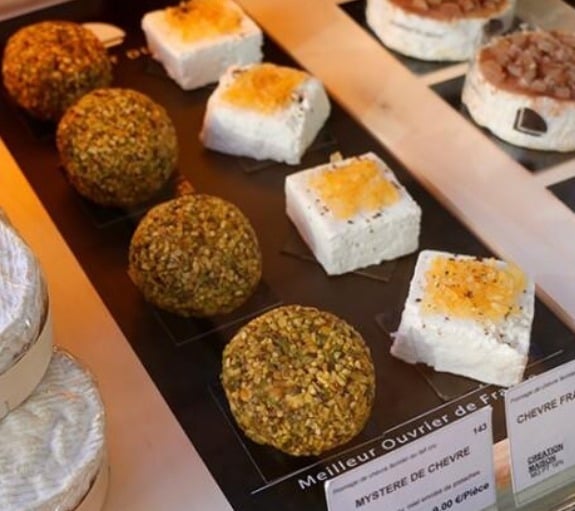
Explore the Marais through its flavors! Sample French delicacies while strolling historic Jewish quarters and chic boutiques.