The short version
- Go up the Aiguille du Midi on your first clear morning. Wind closes the top often, so don’t save it for the last day.
- Ask your hotel for the guest card. It makes the valley trains free.
- Check the live lift status before you leave the hotel.

What to see
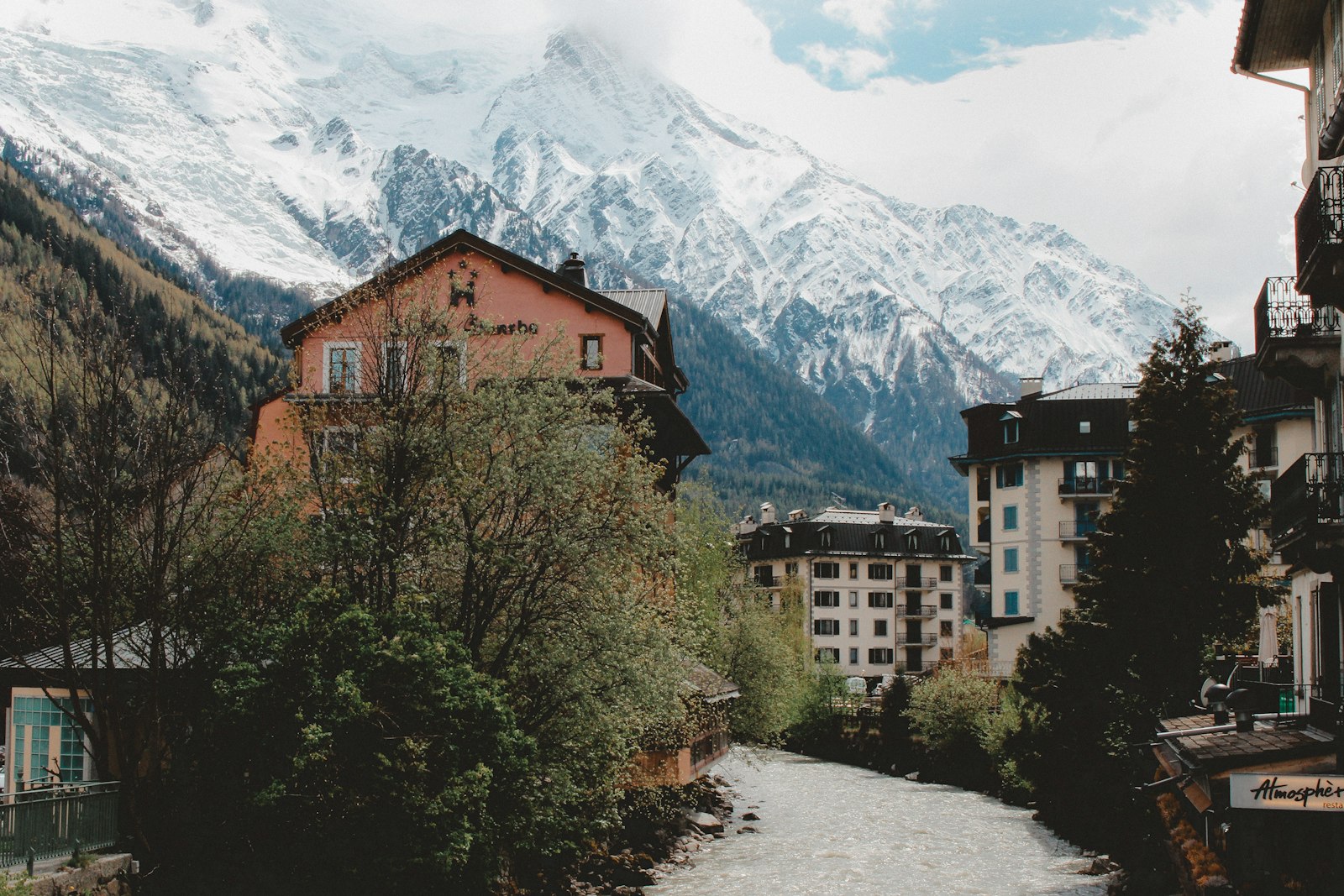
Mont Blanc
In 1760 a scientist from Geneva, Horace-Bénédict de Saussure, put up prize money for the first person to find a way to the top. It took 26 years. In August 1786 two local men made it, a crystal hunter named Jacques Balmat and the village doctor, Michel-Gabriel Paccard. They carried long wooden poles and no rope.
Saussure went up himself the next summer with 18 guides and a servant. In the middle of town a bronze Balmat still points out the summit to him. Mountaineering as a sport starts with that climb.
The Aiguille du Midi
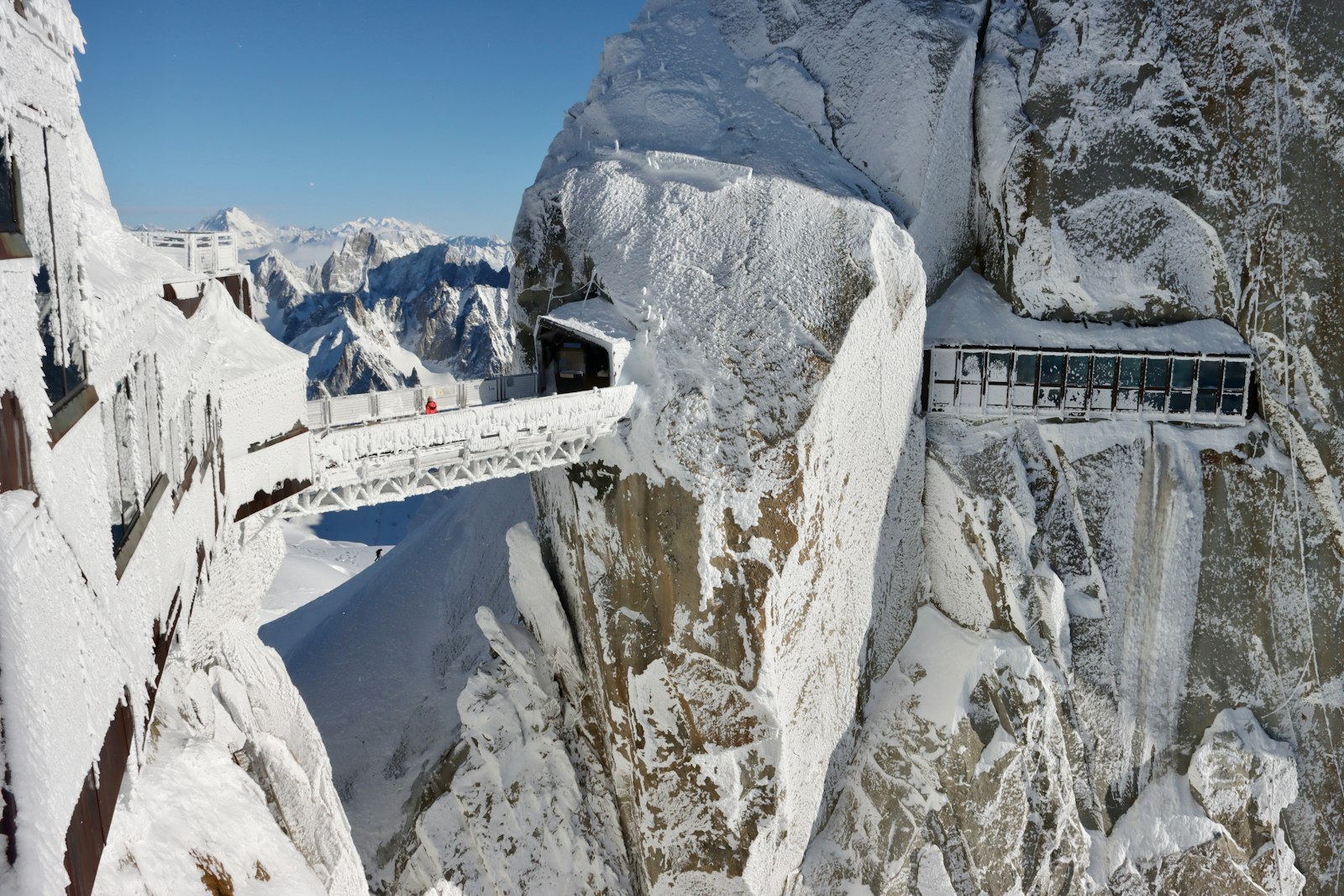
The cable car leaves from the edge of town and climbs about 9,000 feet in two stages. When it opened in 1955 it was the highest in the world. The top station is a needle of rock with terraces and tunnels, and with Mont Blanc right in front of you. A glass box called Step into the Void hangs over a drop of about 1,000 meters. Plan two to three hours for the visit. Children under 3 are not allowed up.
The Mer de Glace
A red rack train has climbed from Chamonix to Montenvers for more than a century. Twenty minutes later you are looking down on the longest glacier in France. Two Englishmen came to see it in 1741, and their report started the valley’s tourist trade. Mary Shelley visited in 1816 and set a scene of Frankenstein on the ice. A gondola and 170 steps lead down to a cave cut into the glacier.
The gondola to Italy
In summer, small cabins leave the Aiguille du Midi and float across three miles of glacier to Pointe Helbronner, on the Italian border. It is the quietest half hour in the Alps.
The Brévent
The lifts on the other side of the valley face Mont Blanc head-on. Photographers like this side best, because from here the whole mountain fits in the picture.
The first Winter Olympics
Chamonix hosted the very first Winter Games in 1924. The town’s Musée du Mont-Blanc tells the story of the valley and the people who climbed out of it.
What to eat
Mountain food is melted cheese in three forms. Fondue you dip, raclette you scrape and tartiflette comes baked over potatoes. After dinner somebody will pour you a génépi, a liqueur made from an alpine herb. Say yes.
Getting there
No train runs direct from Paris. You change twice on the way from the Gare de Lyon, and the last leg is the Mont-Blanc Express, a little train that winds up the valley. The other way is to fly to Geneva and take a coach.
Driving in winter? From November 1 to March 31, cars must carry snow chains or have four winter tires.
When to go
Summer, roughly June to September, is the season for the high lifts and the hiking trails. July and August are the busiest weeks.
Skiing starts in late November or mid-December, depending on the area, and lasts into April or early May.
November is the quiet month. The Aiguille du Midi and the Montenvers train both close for part of it.
Frequently Asked Questions
How do I get from Paris to Chamonix?
By train from Paris Gare de Lyon, with changes in Bellegarde and Saint-Gervais. The fastest trip takes 5 hours 32 minutes. Or fly to Geneva and take a coach the last 88 kilometers.
Do I need to book the Aiguille du Midi?
Yes. You need a ticket and a departure time. Booking the time is free, and the summit ticket starts at €60.20 for adults. New tickets often appear online the day before.
When is the Aiguille du Midi closed?
Every year in late fall, and on any day the wind at the top is too strong. Check the live lift status the morning you go.
Is Chamonix worth visiting in summer?
Yes. The high lifts and the gondola to Italy run, and the trails are open.
Can I see Mont Blanc without climbing?
Yes. The Aiguille du Midi cable car puts you face to face with the summit, and the Brévent lifts show you the whole mountain from across the valley. On a clear day you can also see it from the middle of town.
Our Most Popular Day Trips From Paris

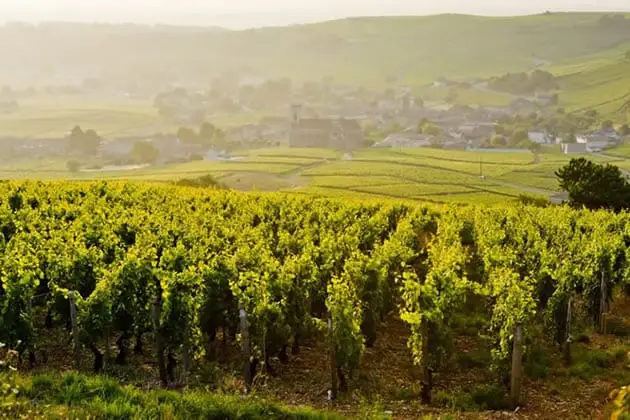
Visit France’s other premier wine region! Sample world-class wines and explore charming villages.

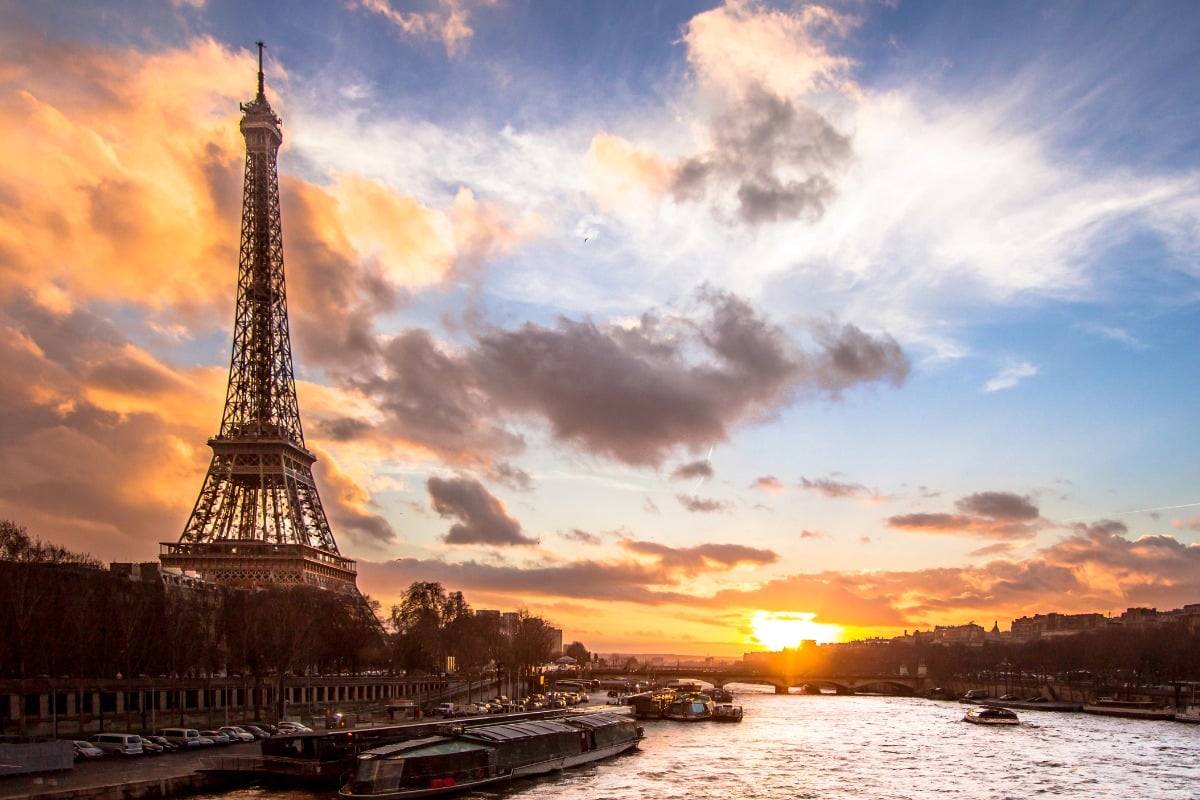
Louvre, Montmartre and Notre Dame in eight hours with a private driver-guide.
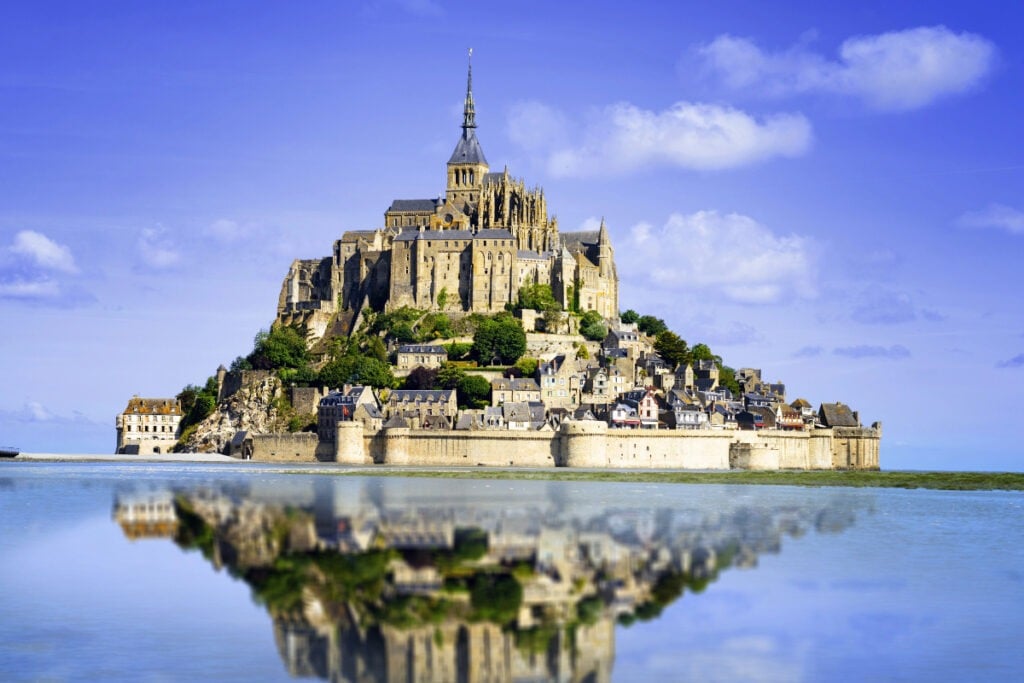
Visit the historic abbey and environs. Marvel at this UNESCO World Heritage site.