The short version
- Deauville is the one of the three with a station: Paris Saint-Lazare to Trouville-Deauville is 2 hours 15 on the four direct trains a day, eight with a change at Lisieux, the first out at 6:12 and the last back at 20:09, in Paris at 22:32. Honfleur has no railway and Étretat lost its line long ago, so each of them is a train plus a bus, and the three together are a car.
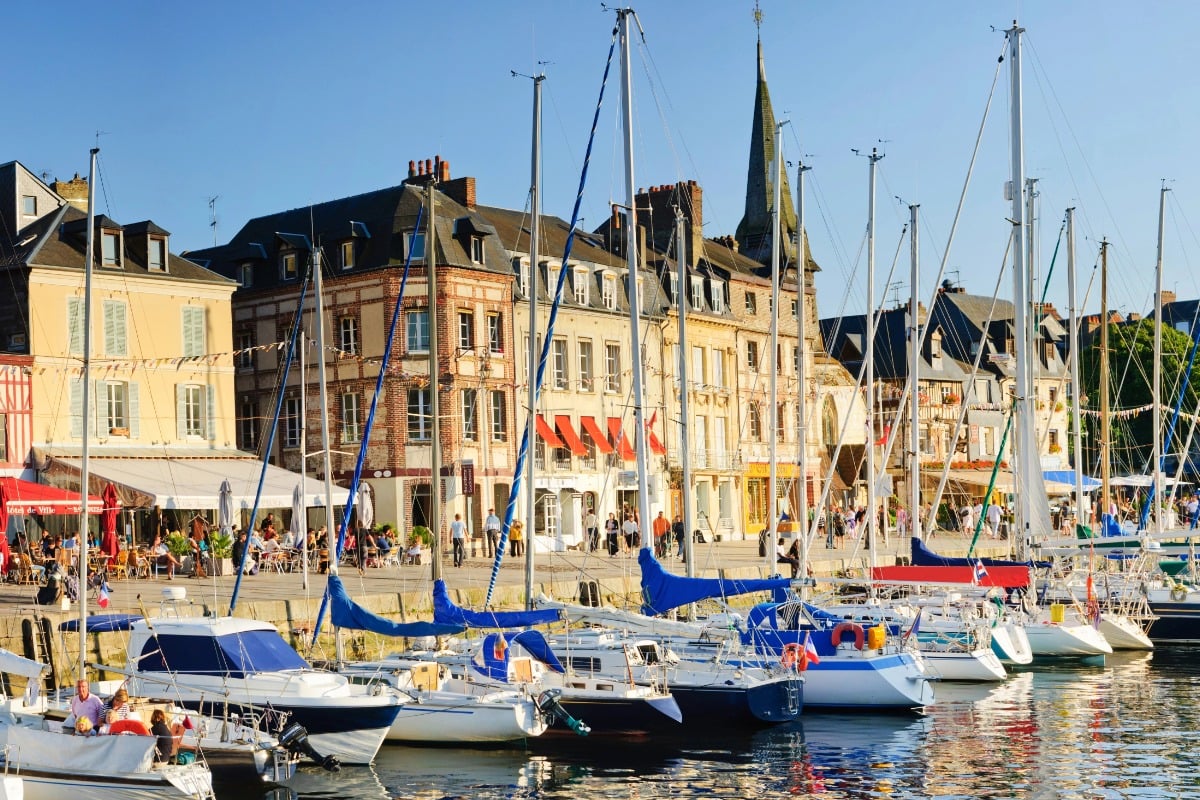
- Honfleur is 15 kilometers from Deauville across the Touques, and the Nomad 111 coach links the two bus stations in 41 to 52 minutes, about fifteen times a day from Monday to Saturday and eight or nine on Sunday, for a few euros by zone. The Vieux Bassin, the wooden church of Sainte-Catherine, the Lieutenance and the Saturday market all sit within a few hundred meters of the stop.
- Étretat is reached through Le Havre: the Paris train is 2 hours 7 at best and about 2 hours 15 as a rule, seven direct a day, the last back at 20:09, and the LiA buses 13 and 21 run on to Étretat about every hour from 5:00 to 21:00, every day, for €1.80; the 21 leaves from the station forecourt. From November to April a Friday-to-Sunday train-and-coach service called the 504 also runs Paris to Étretat via Bréauté, and daily from April to August.
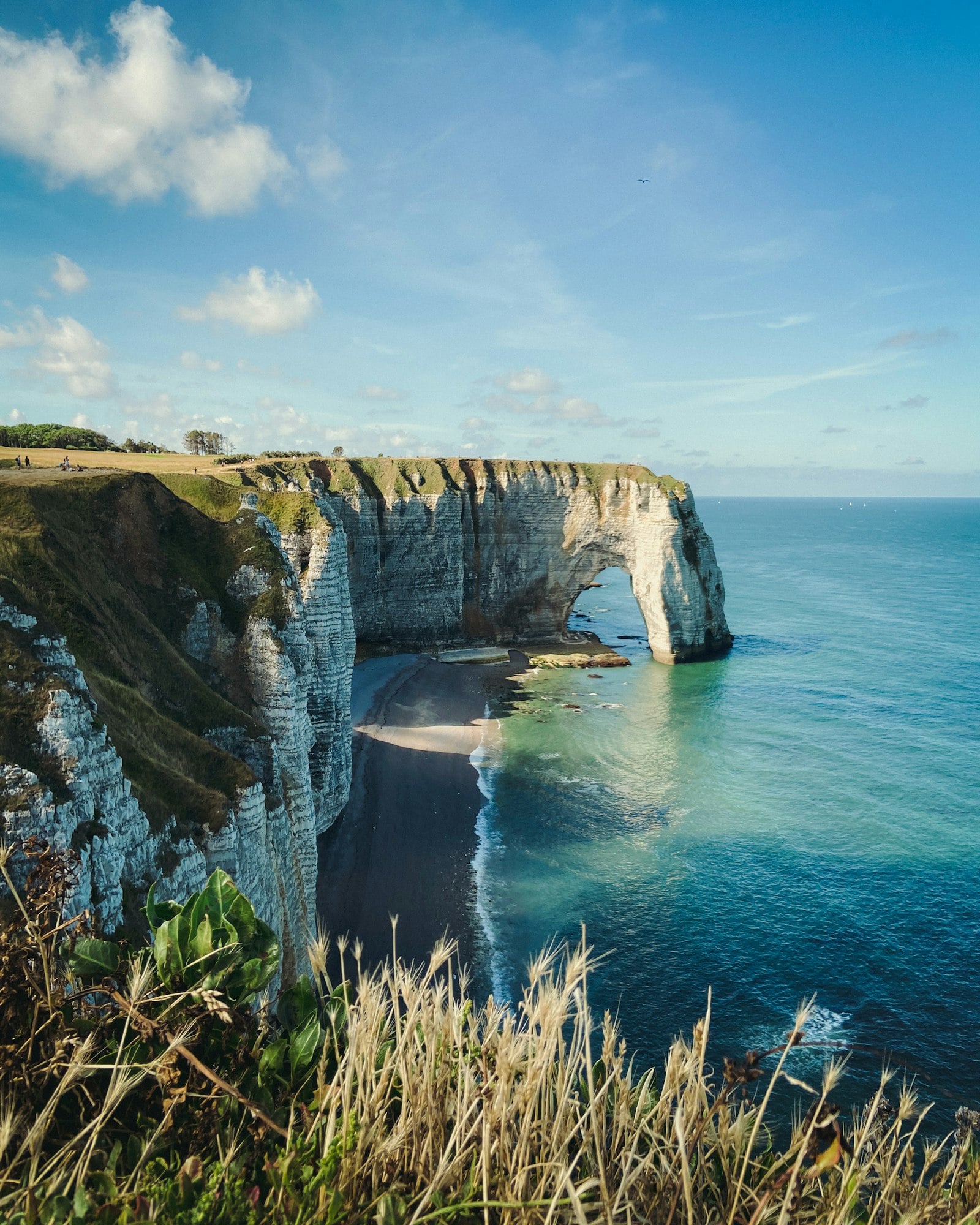
- The cliffs rise to nearly 90 meters on either side of the pebble beach: the Porte d’Aval and the 51-meter Aiguille to the west, the Manneporte beyond them, the chapel of Notre-Dame-de-la-Garde on the Amont cliff to the east. The paths up start from each end of the promenade. A municipal by-law keeps everyone off the beach beneath the cliffs and off the cliff edges, with fines and a bill for the rescue; the tide has caught people under the arches more than once.
- In Honfleur the Musée Eugène-Boudin holds the painter’s own bequest with Jongkind, Monet and the Honfleur school, €9, closed on Tuesday, with no winter hours published between mid-November and April; the Maisons Satie walk you through the composer’s birthplace in 45 minutes for €7; the Lieutenance, the oldest building in town, opens its rooftop terraces over the basins, on weekends only in winter. Three houses on the quai Sainte-Catherine have stood propped on steel struts since the spring of 2026; the quay itself reopened to walkers in August.
- Deauville is the Planches, 762 meters of boardwalk laid in 1924 along the Bains Pompéiens with their cabins named for film stars, the two Barrière palaces behind, the August racing at La Touques and the American Film Festival in the first half of September, the 52nd held September 4 to 13, 2026. Les Franciscaines, the convent turned museum 18 minutes from the station on foot, is €16 and closed on Monday. Trouville, across the river by a €2 ferry, keeps the fish hall and the Wednesday and Sunday market.

What to see
Honfleur first, and in the morning, when the sun is on the quai Sainte-Catherine and the tall slate-hung houses stand in the water of the Vieux Bassin, the dock Colbert had dug in 1681 for the ships that went to Canada and the Indies. Boudin was born here, Jongkind and the young Monet painted here from the Saint-Siméon farm on the hill, and the museum that carries Boudin’s name is the record of it, an hour and a half on the rue de l’Homme de Bois. The church of Sainte-Catherine on the market square was raised by the town’s shipwrights in the second half of the 15th century, after the English left, out of oak from the forest of Touques: two wooden naves like upturned hulls, one of the biggest timber churches in France, with its bell tower standing apart across the square, open every day from 9:00 to 19:00. The Lieutenance at the mouth of the basin is the last piece of the old port walls, and its terraces are the view. Out along the estuary the Jardin des Personnalités lines up busts of Champlain, Baudelaire, Satie and the painters in ten hectares of park, with the Naturospace butterfly house next door, €11.10 and closed from mid-November to early February, and the chapel of Notre-Dame-de-Grâce on the Côte de Grâce above the town looks down the Seine to the Pont de Normandie.
Deauville was built as a resort in the 1860s and has not stopped: the Planches of 1924 in azobé hardwood, the Bains Pompéiens of the same summer, the Normandy of 1912 and the Royal in their half-timber, the casino between them, and the hippodrome of La Touques, racing since August 1864, with the Meeting de Deauville Barrière through August on Tuesdays, Thursdays, Saturdays and Sundays and a sand track that runs all winter. Les Franciscaines, an orphanage of the Franciscan sisters turned into a museum, library and stage in 2021, is open Tuesday to Sunday from 10:30 to 18:30, with the André Hambourg collection and the Planches Contact photography festival on the beach and in the galleries until January 3, 2027. Walk across the Pont des Belges to Trouville for the other town: the Halle aux poissons on the boulevard Fernand Moureaux, nine stalls of oysters, crabs, grey shrimp and Channel fish open every day of the year and eaten on the spot, the 1,200 meters of beach with the Planches of 1867 and the villas of the 1860s to 1880s on the hill behind, and the Wednesday and Sunday market along the river from 8:00 to 13:00.
Étretat is a walk, two of them. The Falaise d’Aval path climbs from the west end of the promenade to the view through the Porte d’Aval to the Aiguille, Maurice Leblanc’s hollow needle, and on to the Manneporte, the arch Maupassant said a ship could sail through; the Falaise d’Amont path climbs from the east end to the sailors’ chapel of 1856, rebuilt in 1950 after the German army demolished it, and to the Jardins d’Étretat, the clipped land-art garden around a 1905 villa above the Aiguille, €12.90 from April to October and €11 in March and November, open daily from April to the start of November and Wednesday to Sunday either side, closed from late November to early March. In the village the Clos Lupin is Leblanc’s own house, done up as the gentleman burglar’s lair, from €8.50, and the old covered market on the square now sells souvenirs. The beach is pebbles between the two cliffs and the by-law allows it only beside the promenade.
With a car the three make a loop of about 65 kilometers along the coast, Paris to Étretat, over the Pont de Normandie to Honfleur and back by Deauville and the A13, or the reverse, and the only trick is the bridge toll, €6.10 a car each way, free on foot or by bicycle. Our Ultimate Normandy Vacation runs inland from the same coast, with a day for Pont-l’Évêque, Cormeilles and the Calvados cellars between Bayeux and Rouen; our private Normandy days are built to order, so ask if you want the harbour, the boardwalk and the cliffs in one van.
The table is the Pays d’Auge and the sea: oysters, grey shrimp and sole at the Trouville hall and on the Honfleur quays, moules-frites on every terrace, Pont-l’Évêque cheese from the town 20 minutes inland with Livarot and Camembert beside it, cider, pommeau and Calvados from the orchards behind Honfleur, teurgoule, the slow-baked cinnamon rice pudding, and tarte normande with the apples. Honfleur’s Saturday market runs from the Cours des Fossés to the church square from 8:30 to 13:00, with an organic market on Wednesday and fish on the jetty from Thursday to Sunday mornings.
Getting there and around
From Paris Saint-Lazare the direct trains to Trouville-Deauville leave at 7:27, 12:29, 16:08 and 19:08 on a weekday, 2 hours 15 to 2 hours 20, with four more that change at Lisieux; coming back the directs run 7:22, 10:17, 12:17, 16:14, 17:14 and 20:09, the last in Paris at 22:32. The station stands on the Trouville bank of the Touques between the two towns, a short walk from the Deauville beach on one side and the Trouville fish hall on the other, with the 111 bus station beside it.
For Honfleur, get off at Trouville-Deauville and take the 111; it also comes the other way from Le Havre, over the Pont de Normandie, five times a day on weekdays, and the express 122 from Caen and Le Havre calls at Honfleur without touching Deauville. For Étretat, take the train to Le Havre, 2 hours 7 to 2 hours 15 on the seven direct trains, and the 21 bus from the station forecourt or the 13 from the tram terminus at Grand Hameau, about an hour each, hourly from early morning to 21:00 every day of the week; the last train from Le Havre to Paris is at 20:09. Honfleur to Étretat without a car is Honfleur, Le Havre, Étretat, two buses and most of a morning.
By road the three sit two hours from Paris on the A13, whose tolls are now charged by camera without barriers: Deauville first, Honfleur 15 kilometers and half an hour further, Étretat 45 kilometers and about an hour and a quarter beyond Honfleur over the bridge. Parking is the cost of the day: Honfleur’s Bassin de l’Est lot is €8 for 24 hours and the Bassin du Centre €3.50 an hour; Deauville charges from April to October; Étretat charges every day of the year from 9:00 to 19:00, €3 an hour in the centre and a flat €50 past five and a half hours, and the lots fill by mid-morning on a summer weekend.
In Deauville and Trouville everything is on foot or by the little ferry across the Touques, €2, every five minutes from February to the end of the season; Les Franciscaines is 18 minutes from the station on foot. Honfleur is smaller still, and the only climb is the Côte de Grâce. Étretat is the cliff paths, steep in places, muddy after rain, with no railings along much of the edge, so wear shoes with a grip and keep to the marked way.
When to go
This is the Channel coast: mild winters, cool summers that rarely pass 25 degrees, wind off the sea in any month and rain in most, so a waterproof goes in the bag in August. The cliffs are at their best in low sun, early or late, and the arches show with the tide out; a tide table is worth a look before the Étretat day because the beach under the arches is off limits at every hour.
The season runs from Easter to the end of October. In winter the Naturospace closes from November 15, 2026 to February 6, 2027, the Jardins d’Étretat close from late November to early March, the Boudin museum publishes no hours between mid-November and the end of March, the Lieutenance opens Friday to Sunday only, and the Trouville ferry stops; the Nomad and LiA buses run all year with thinner Sundays. The museums of Honfleur close on Tuesday, Les Franciscaines on Monday.
Deauville’s calendar is August and September: the racing meeting at La Touques runs through August, with the polo cup in the last three weeks, and the American Film Festival follows in the first half of September, when the hotels are full and the cabins on the Planches get their new names. The marathon fills the town on a weekend in mid-November, and the Planches Contact photography festival keeps installations on the beach from mid-October to early January.
Honfleur’s Saturday is market day all year; the night market runs on Wednesday evenings in July and August, the musical picnic in the Jardin des Personnalités on the last Sunday of June, and the Christmas market around the town hall in December. May and June, and the first half of September, give the quays and the cliffs their light without the August crowds.
Frequently Asked Questions
Is Honfleur a day trip from Paris?
Yes, with one change: 2 hours 15 by direct train to Trouville-Deauville, then the 111 bus for 45 minutes, so about three hours door to door, and the 19:04 bus from Honfleur makes the last train home at 20:09. The 7:27 from Saint-Lazare gets you to the Vieux Bassin before eleven. With a car it is two hours on the A13.
Can you do Honfleur, Deauville and Étretat in one day?
By car, yes, as a 65-kilometer loop with the Pont de Normandie in the middle, and it is a long day with the cliff walk in it. By train and bus, no: Deauville and Honfleur pair well in a day, and Étretat is its own day through Le Havre. Two nights on the coast, one in Honfleur and one in Étretat or Deauville, is the comfortable version.
How do I get to Étretat without a car?
Train from Paris Saint-Lazare to Le Havre, about 2 hours 15, then the LiA 21 bus from the station forecourt or the 13 from the Grand Hameau tram terminus, roughly an hour, hourly every day, €1.80. From November to April the Nomad 504 train-and-coach also runs on Fridays, Saturdays and Sundays via Bréauté, and daily from April to the end of August. Allow three and a half hours each way and check the last bus back for the 20:09 train.
Can you walk on the beach under the cliffs at Étretat?
No. The town’s by-law bans the beach beyond the promenade and the ground under the cliffs, after rockfalls and tide rescues, and the fire service can bill a rescue. The view through the arches is from the cliff-top paths, which start at each end of the promenade, and from the promenade itself at low tide.
Is there a tour nearby?
Not to these three towns; none of our Normandy tours stops in Honfleur, Deauville or Étretat. Our Normandy D-Day Tour meets the morning train at Bayeux, $230 per person, our Rouen, Cider and Bayeux day tastes Calvados in the Pays d’Auge, and the five-day Ultimate Normandy Vacation spends a day in Pont-l’Évêque and Cormeilles; our private Normandy tours can be tailored, so ask us about a coast day.
Our Most Popular Day Trips From Paris

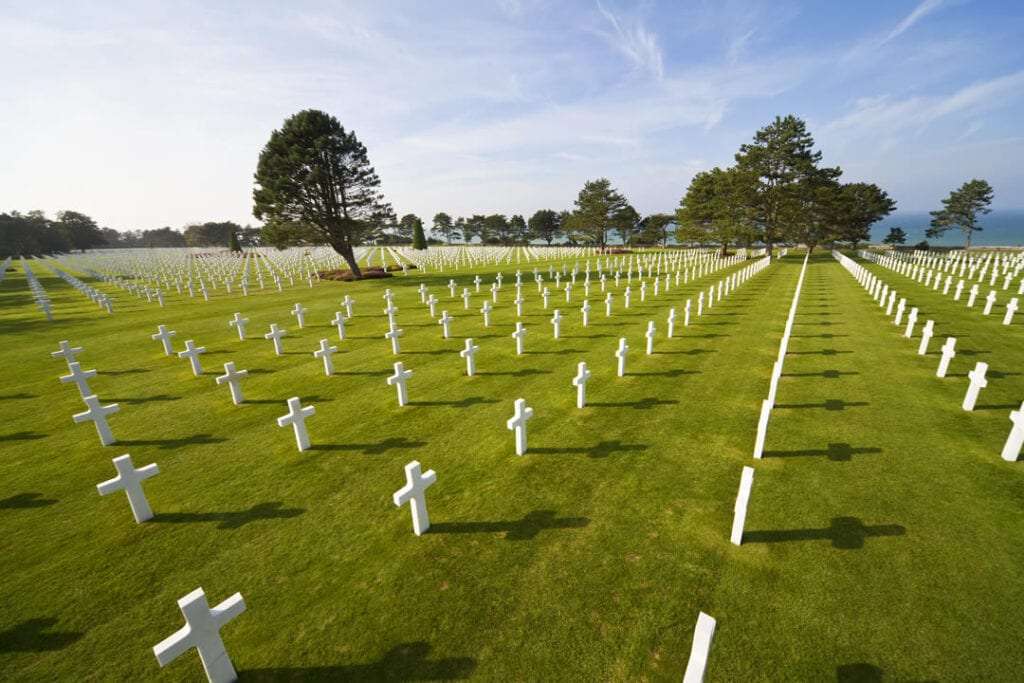

Rouen, Normandy cider country and the Bayeux Tapestry with a private guide.
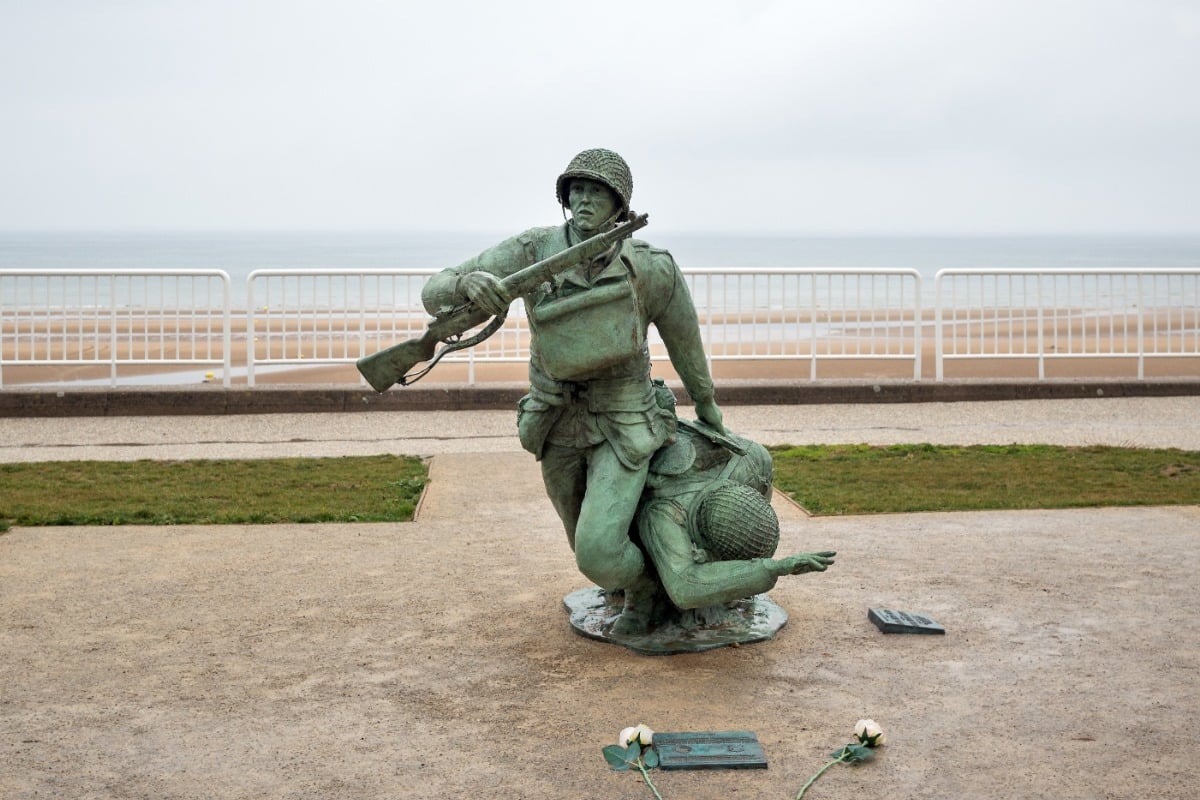
Your own expert driver-guide for the entire day. Flexible routing for up to 6 people.

See the D-Day beaches and Mont Saint Michel. Overnight in charming Bayeux.
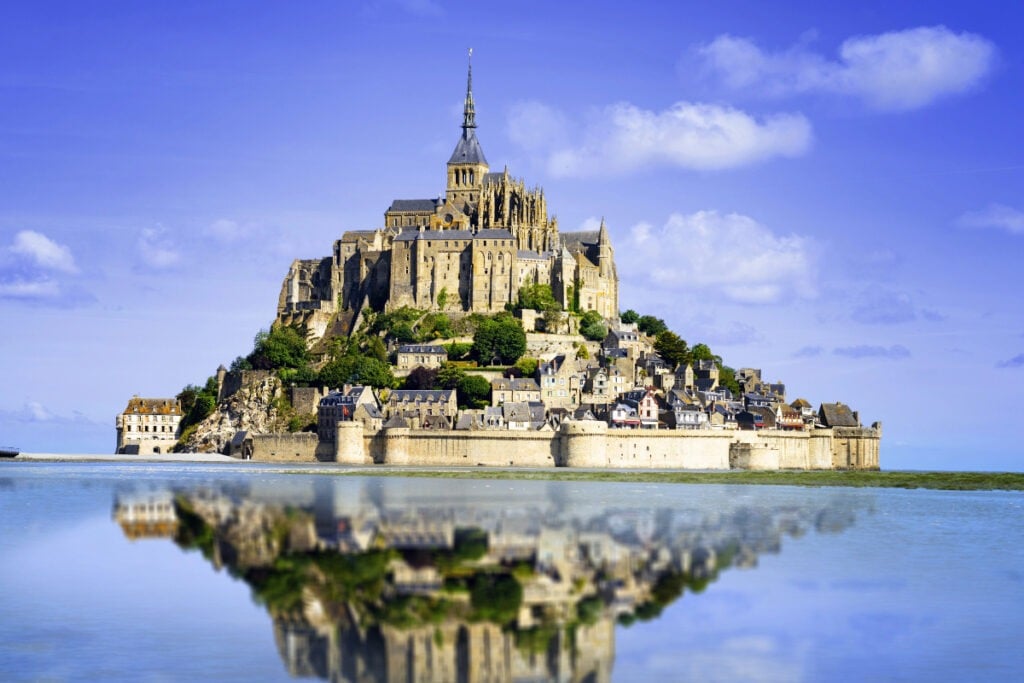
Visit the historic abbey and environs. Marvel at this UNESCO World Heritage site.