The short version
- Skip Tuesday if you want the museums. The Palais des Beaux-Arts and the Hospice Comtesse are both closed.
- Stay for dinner. Lille is at its best in an estaminet, the local kind of tavern, with a stew and a beer.
- Book a hotel months ahead for the Braderie.
What to see
The Grand Place
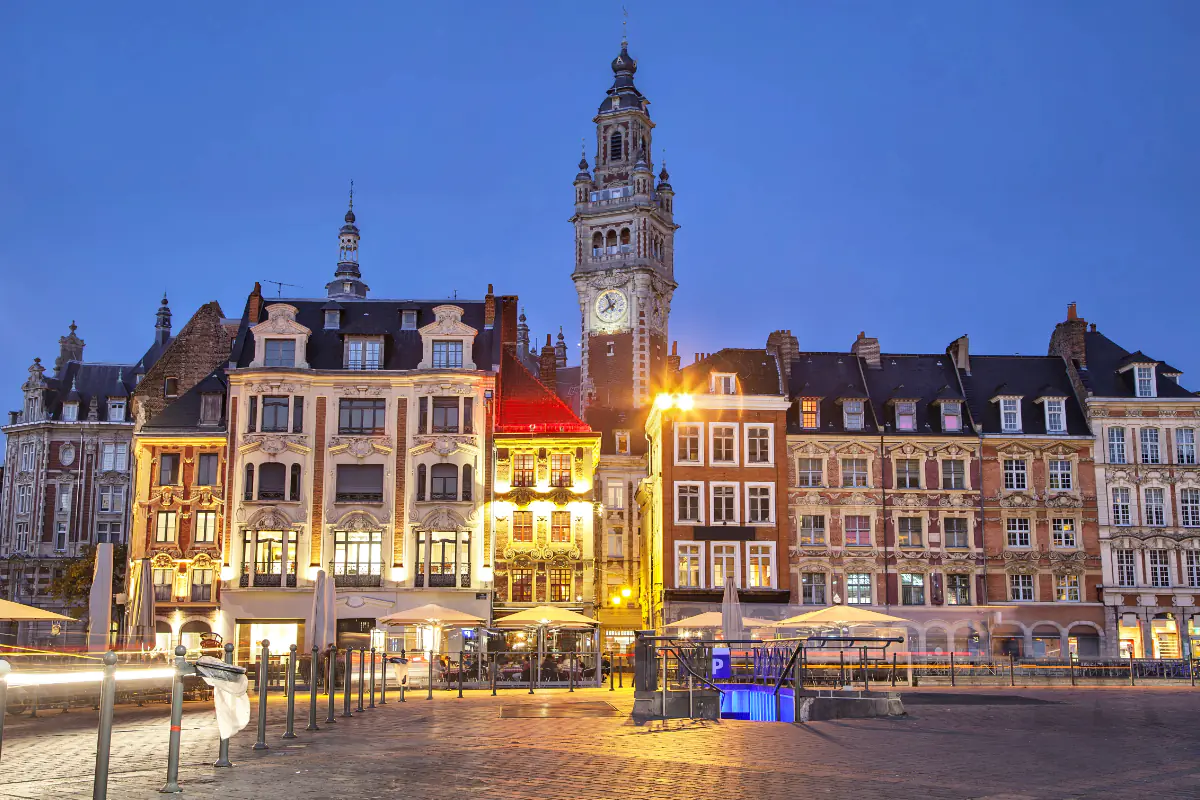
For most of its history Lille was not French. It belonged to the counts of Flanders, then Burgundy, then Spain, until Louis XIV rode in and took it in 1667. The brick and gilded gables on the main square are the Flemish city showing through.
The woman on the column in the middle is the Goddess. She remembers 1792, when an Austrian army shelled the city for days and Lille refused to give up. In her hand is the lit match of a cannon.
The Vieille Bourse
The old stock exchange, from 1653, is really 24 small houses joined around a courtyard. The merchants wanted somewhere dry to make their deals. Today the courtyard belongs to secondhand booksellers and chess players, and it is the nicest place in town to do nothing.
Vieux-Lille
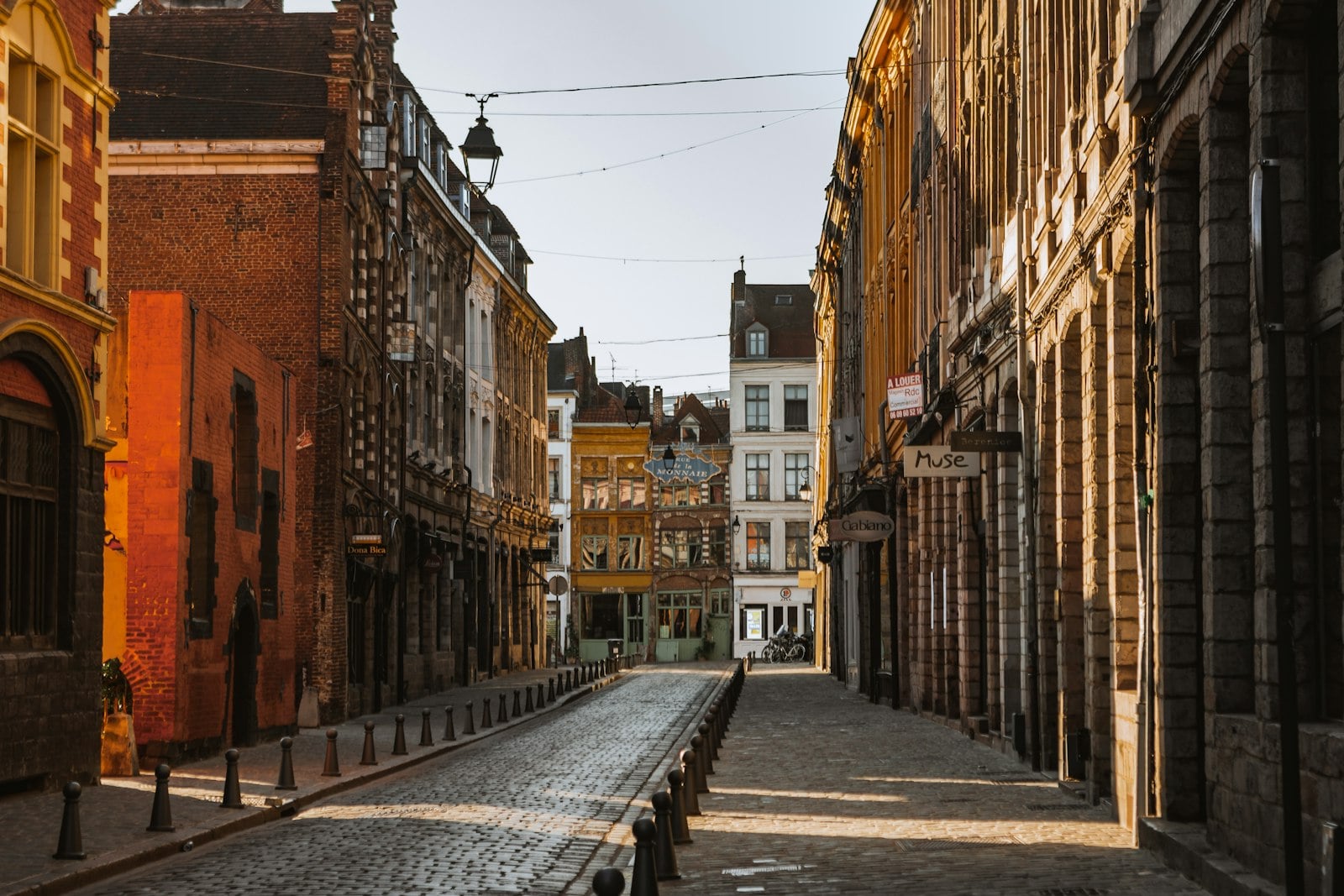
North of the square the streets are cobbled and narrow, with brick and stone fronts and good shop windows. On rue de la Monnaie is the Hospice Comtesse, a hospital founded in 1237 by Jeanne, Countess of Flanders. It is now a museum of old Lille. Charles de Gaulle was born a few streets away in 1890.
The Palais des Beaux-Arts
This is one of the biggest art museums in France outside Paris. Give it two hours for the Dutch, Spanish and Impressionist rooms. Some first-floor rooms are closed until early 2028 while the paintings are rehung. Buy your ticket at the desk.
La Piscine
In the 1930s the mill town of Roubaix built its workers the most beautiful public swimming pool in France. It closed in the 1980s and came back as an art museum. The long basin is still full of water, with sculptures lined up along both sides. Take metro line 2.
The Citadelle
Once he had Lille, Louis XIV meant to keep it. His engineer Vauban built a star-shaped fort so strong that he called it the queen of citadels. The army still lives inside. The park around it is open to everyone.
The table
Carbonade flamande is beef stewed in beer with a little brown sugar. Potjevleesch is a cold terrine of white meats, served with fries. A welsh is cheddar melted with beer over bread and ham, and it is not a light lunch. For dessert, go to Méert on rue Esquermoise, a sweet shop that dates from the 18th century, for thin waffles filled with vanilla cream.
Getting there
Trains pull into Lille Flandres or Lille Europe. The two stations are 500 meters apart, and the Grand Place is a short walk from both. In town you walk.
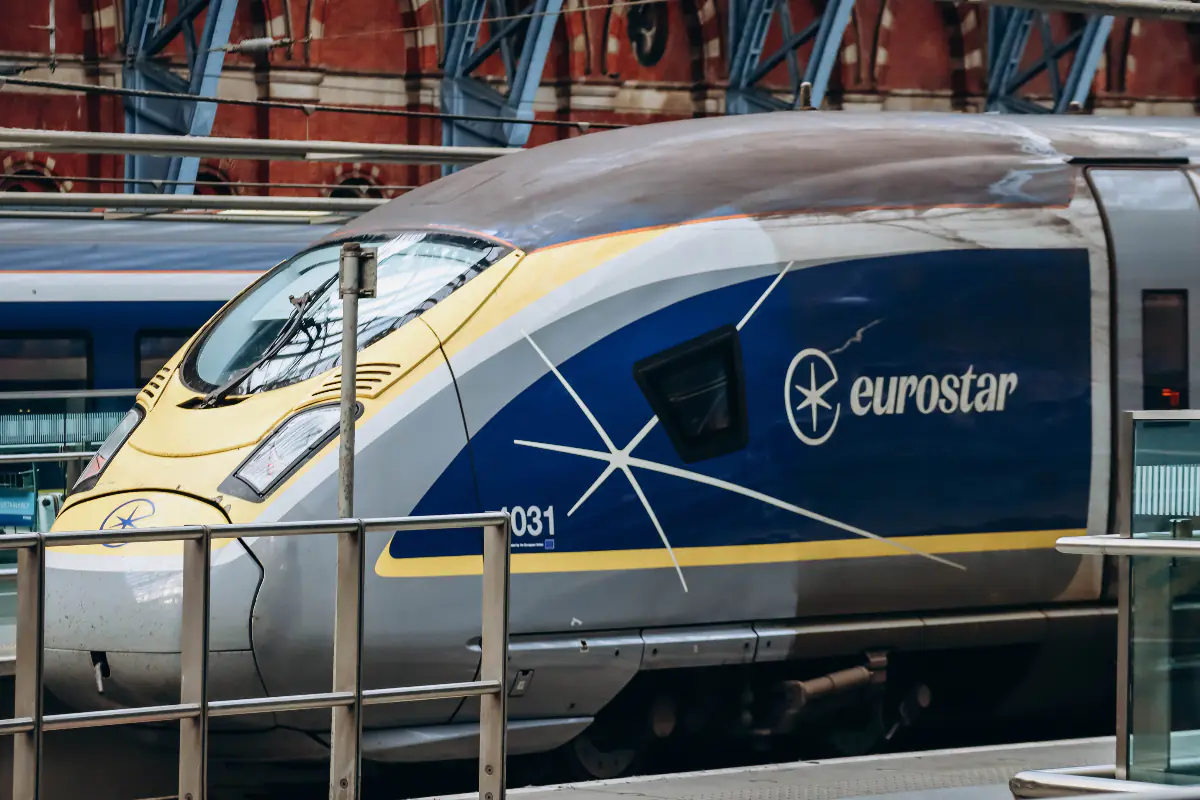
The Eurostar from Lille Europe reaches London in about 1 hour 22 minutes, and Brussels is about 50 minutes away.
When to go
Lille works all year. Expect rain in any month and bring a jacket.
On the first weekend of September the Braderie turns the whole city into a flea market, with more than 2 million visitors. The restaurants serve mussels and fries all weekend and pile the empty shells in the street. The tallest pile wins.
The Christmas market is on Place Rihour, with a big wheel on the Grand Place.
Frequently Asked Questions
Is Lille a good day trip from Paris?
Yes. The TGV takes an hour, so you can see the old town and the art museum and be back in Paris for dinner.
When is the Braderie de Lille?
On the first weekend of September, from Saturday morning to Sunday evening. The Palais des Beaux-Arts closes that weekend.
Can I stop in Lille between Paris and London?
Yes. Paris trains use Lille Flandres or Lille Europe, and the Eurostar leaves from Lille Europe. See the old town between trains.
What is La Piscine?
An art museum in a 1930s swimming pool in Roubaix. It is open Tuesday to Sunday and costs €9, or €11 during exhibitions.
Which Paris station has trains to Lille?
Gare du Nord. The Six Paris Train Stations tells you how to find your way around it.
Our Most Popular Day Trips From Paris
Cross the Channel in the morning and see Paris with a private driver-guide.

Louvre, Montmartre and Notre Dame in eight hours with a private driver-guide.