The short version
- Come between October and March if you want to walk among the stones. In those months some of the fields are open.
- Sleep in Vannes. The trains, the island boats and the market are all there.
- Rent a car if you want the stones, Auray and Quiberon in one day. Vannes and the islands work fine without one.

What to see
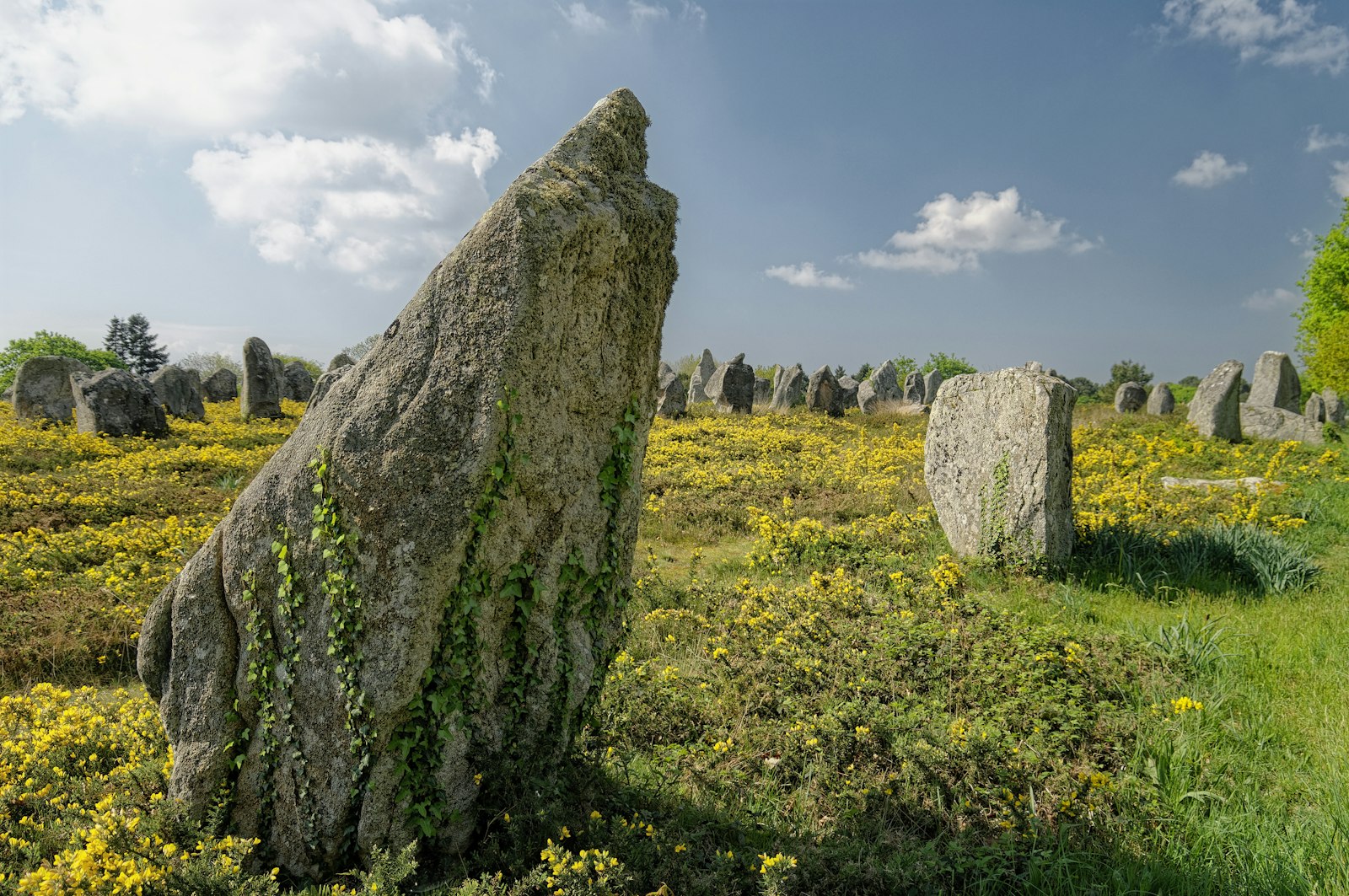
The Carnac stones
The stones stand in long rows across the fields outside Carnac, the biggest of them twice the height of a person. Farmers set them up long before Stonehenge and the pyramids. Nobody knows why. People have guessed a calendar, a temple and a graveyard.
The local legend is better. A saint named Cornély was running from a Roman legion and ran out of land when he reached the sea. He turned around and changed the soldiers to stone where they stood, still in their ranks.
Start from the Maison des Mégalithes in Le Ménec. A free path follows the rows for about a mile to Kermario, and another mile on to Kerlescan.
Locmariaquer
A short drive east lies the biggest standing stone prehistoric Europe ever raised. It stood more than 60 feet tall and weighed about 300 tons. It now lies on the ground in four pieces, and nobody is sure whether an earthquake or the builders themselves brought it down.
Vannes
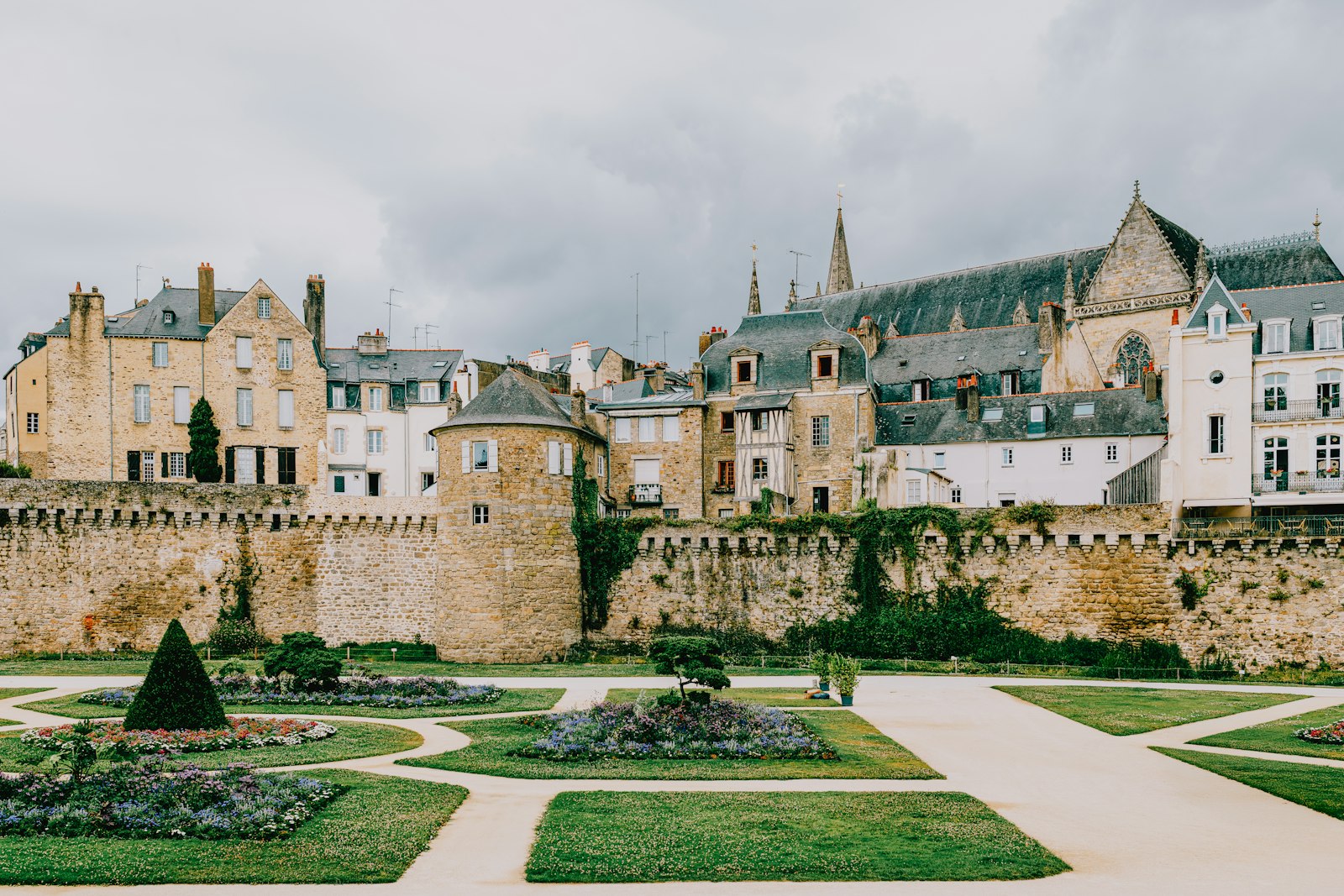
Vannes is named for the Veneti, a tribe of sailors whose fleet Julius Caesar destroyed in the bay nearby in 56 BC. The old town still has its ramparts, with flower gardens laid out below them. Inside are 170 half-timbered houses. Look for the carved wooden couple grinning from a corner near the cathedral. They are known as Vannes and his wife, and nobody knows who they were. The market fills Place des Lices on Wednesday and Saturday mornings.
The Gulf of Morbihan
Mor bihan means little sea in Breton. It is a tidal lagoon almost closed off from the ocean, and locals say it has an island for every day of the year. The real count is closer to forty. The Île aux Moines, the biggest, is named for the monks who once owned it. Boats cross from Port-Blanc all year, and the island has a beach near the landing and a coastal path all the way around.
Quiberon and Belle-Île
South of Carnac a thin peninsula runs out to Quiberon, with a wild coast on the ocean side and calm beaches on the other. Ferries leave from there for Belle-Île, where Claude Monet spent an autumn painting the rocks and Sarah Bernhardt bought a fort for her summers.
Getting around
TGVs from Paris Montparnasse run to Vannes and Auray, and some change in Rennes. From Auray station, coach 619 goes to Carnac and coach 601 to Quiberon, €2.50 a ride. In summer a little train called the Tire-Bouchon, the Corkscrew, runs from Auray to Quiberon.
When to go
Spring and early fall are the calm seasons around the stones. July and August are busy, and the island market on the Île aux Moines is on every morning.
Winter is mild, wet and quiet, and the Maison des Mégalithes keeps shorter hours.
Frequently Asked Questions
How do you get to Carnac from Paris?
Take the TGV from Paris Montparnasse to Auray, 2 hours 39 minutes at the fastest. Coach 619 goes on to Carnac.
Can you walk among the Carnac stones?
The paths around the fields are free all year. From October to March some fields are open to walk in. The rest of the year, the one-hour guided visit for €13 takes you inside one of the main sites.
How old are the Carnac stones?
About 6,000 years, give or take a few centuries. They joined the UNESCO World Heritage list in July 2025, along with more than 550 other prehistoric sites around the Gulf.
How do you visit the islands in the Gulf?
For the Île aux Moines, take the five-minute boat from Port-Blanc, which runs about every 30 minutes. For the Île d’Arz, boats leave from Vannes every day and take 20 to 30 minutes.
Is Mont-Saint-Michel in Brittany?
No, by a whisker. The Couesnon river marks the border, and it puts the abbey on the Normandy side. Bretons say the river lost its mind. Our Mont St. Michel tours leave from Paris.
Our Most Popular Day Trips From Paris

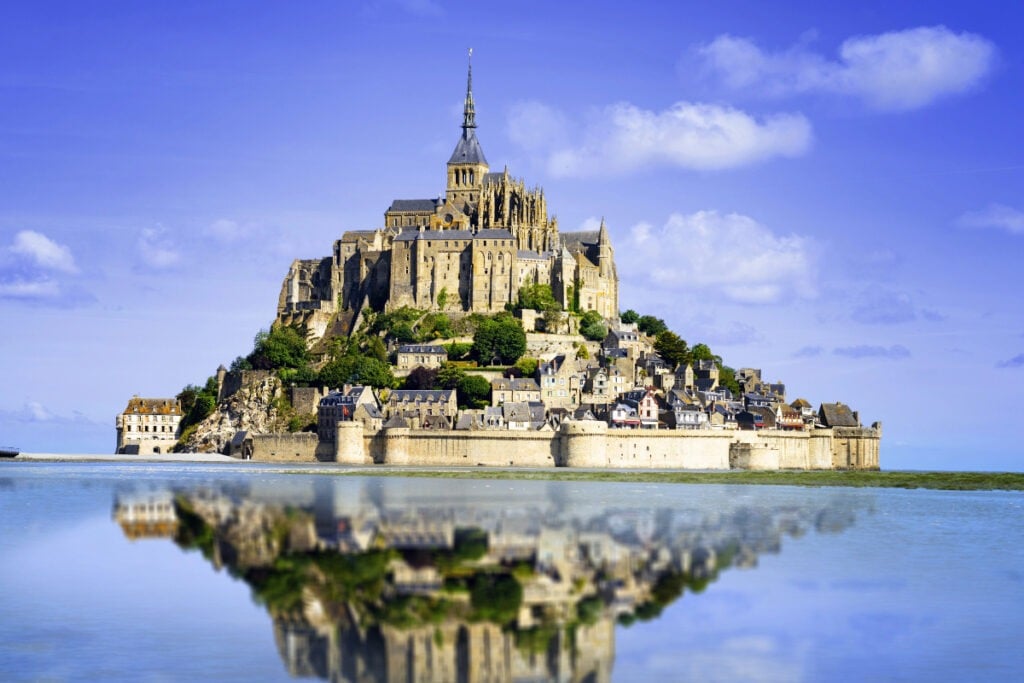
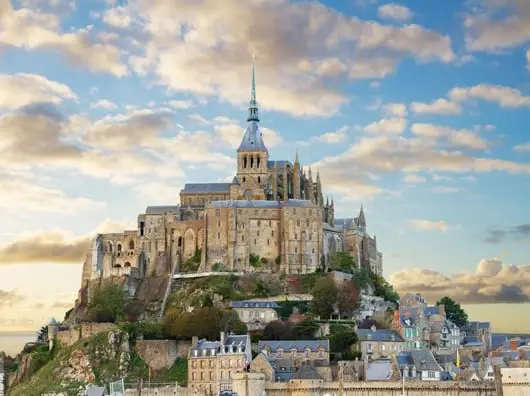
Visit the historic abbey and environs. Marvel at this UNESCO World Heritage site.

Louvre, Montmartre and Notre Dame in eight hours with a private driver-guide.