The short version
- Come for the harbor, not the museums. The church, the modern art museum and Fort Saint-Elme are all closed for now.
- Arrive by train in summer. Parking is the hard part of Collioure.
- Pick up the Chemin du Fauvisme booklet at the tourist office before you walk the harbor.

What to see
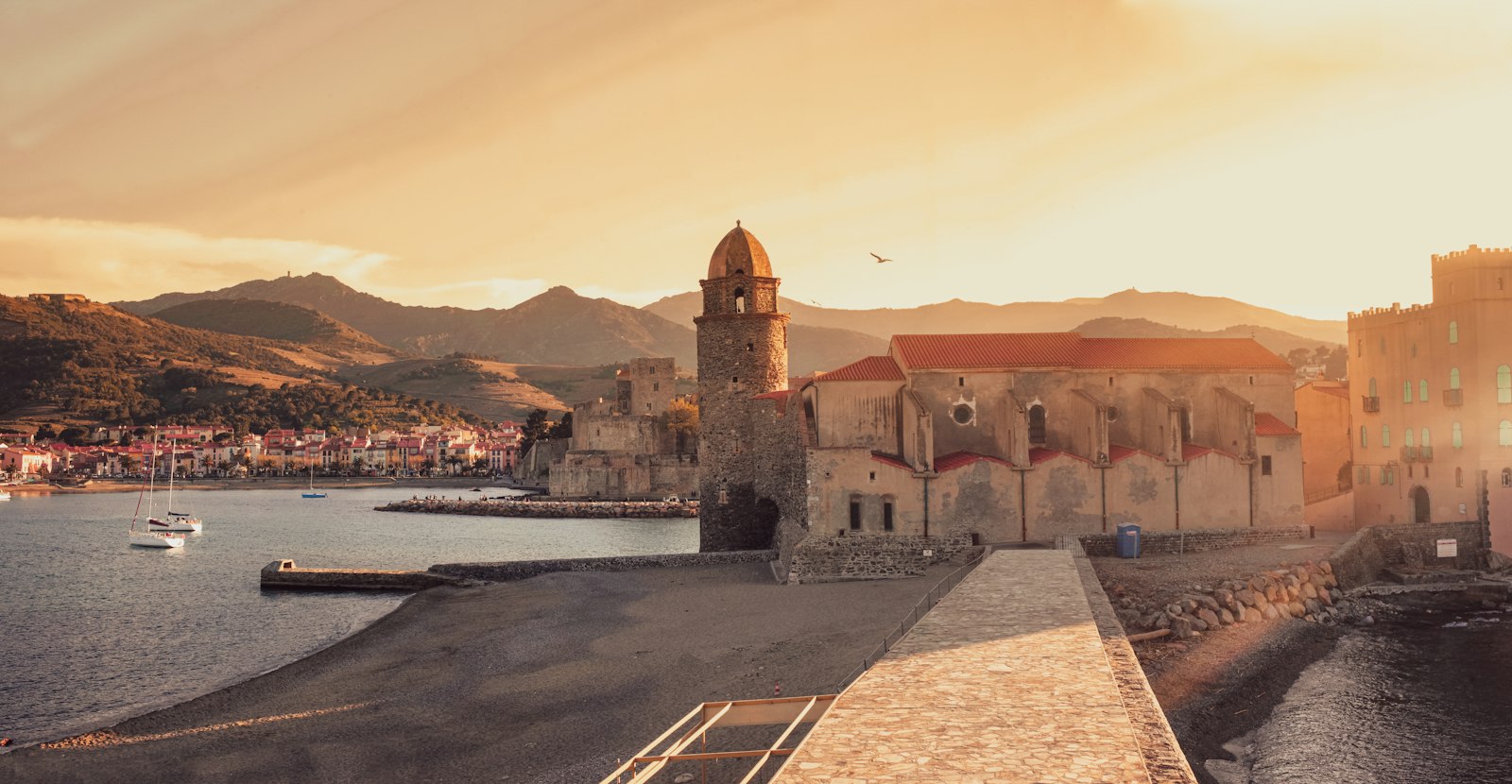
The harbor and the bell tower
The round tower at the end of the beach started out as the harbor lighthouse. When the town built a new church in the 1680s, it went up right beside the tower, and the bells were hung there. The pink dome came later. The church of Notre-Dame-des-Anges is closed for restoration after seawater damage, with no reopening date. The view from the beach and the jetty is the one everybody paints anyway.
Matisse and the wild beasts
Henri Matisse came in the summer of 1905 on the advice of the painter Paul Signac. He sent for his young friend André Derain, and the two of them painted the harbor in pure reds, greens and oranges, straight from the tube. That fall in Paris a critic took one look and called them “fauves”, wild beasts. The name stuck, and Fauvism had begun.
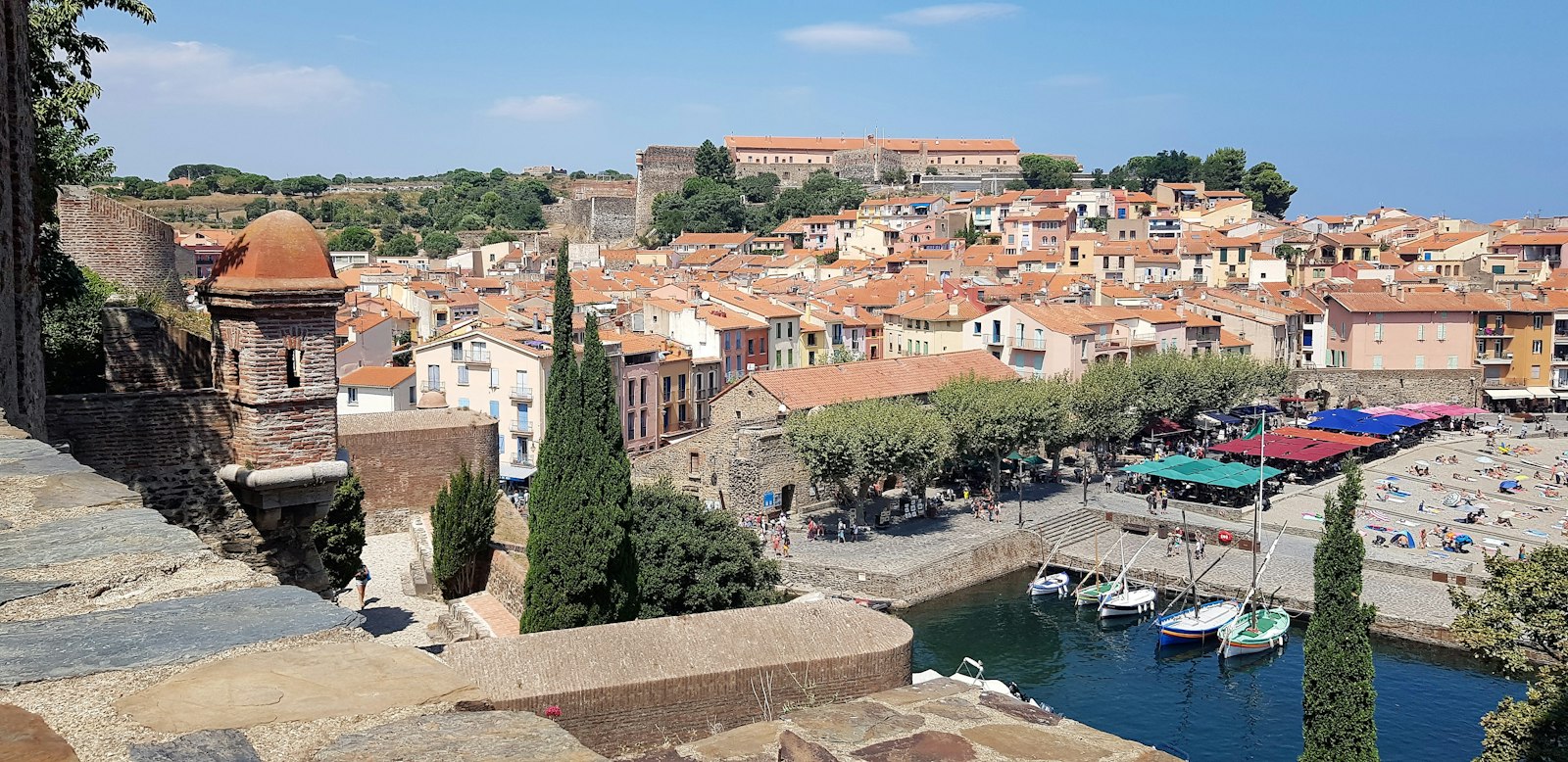
The Chemin du Fauvisme marks the spots where they set up their easels, with a copy of each painting in front of the real view.
The Château Royal
The big fortress in the middle of the bay was a summer home for the Kings of Majorca from 1276 to 1344. In the 1600s Vauban, the military engineer of Louis XIV, wrapped it in outer walls. In 1939 it became a prison, first for Spanish Republicans who had fled Franco. The château runs guided tours at 10:30 a.m. and 2:30 p.m. for no extra charge.
Machado’s grave
The Spanish poet Antonio Machado crossed the border in January 1939 with his elderly mother, among the hundreds of thousands fleeing Franco’s army. He died in a Collioure boarding house less than a month later, and his mother died three days after him. He is buried in the old cemetery. There is a mailbox on the grave, and people still leave him letters and poems.
Le Moure
Climb into the old fishermen’s quarter beside Fort Miradou. The lanes are steep, the houses are tall and narrow, and no two are the same color.
Down the coast
The regional train follows the Côte Vermeille south. Port-Vendres, one stop away, is a working port. Banyuls-sur-Mer, about 10 minutes on, is the hometown of the sculptor Aristide Maillol, and his statues stand on the seafront. This coast belonged to the Spanish crown until 1659, and the red and yellow Catalan stripes still fly here.
What to eat and drink
Collioure has salted anchovies for centuries, and the local salting houses still pack them. Order them with a glass of Collioure wine from the terraces above the bay. Finish with crème catalane, the local cousin of crème brûlée, and a glass of Banyuls, the sweet fortified red from next door.
Getting there
Take a TGV south from Paris and change to the regional train down the coast, usually in Nîmes, Montpellier, Narbonne or Perpignan. On some nights an overnight train from Paris Austerlitz reaches Collioure in the morning with no change. The station is a short walk from the center.
Drivers should use the Cap Dourats car park, 20 minutes on foot from the center. A free shuttle runs from there from mid-June to mid-September and on weekends in May.
When to go
July and August are the busiest months, with a night market and the Saint-Vincent festival in mid-August. The Château Royal closes on August 15 and 16.
October and November are the wettest months.
Winter is quiet. The markets and the coast train keep going, and the château is open from 10:00 a.m. to 5:00 p.m. from November to March.
Frequently Asked Questions
How do you get to Collioure from Paris?
Take a TGV south and change to the regional train down the coast. The fastest trips take about 6 hours 20 minutes, changing once in Nîmes. From Perpignan it is about 20 minutes.
Can you go inside the church in Collioure?
Not right now. Notre-Dame-des-Anges and its bell tower are closed for restoration, with no reopening date. You can still see them from the beach and the jetty.
Are the art museum and Fort Saint-Elme open?
No. The Musée d’art moderne is closed until 2028, and Fort Saint-Elme has been closed to visits since 2023. You can still walk up toward the fort, about 40 minutes through Parc Pams, for the view over Collioure and Port-Vendres.
What is open in Collioure in winter?
The Château Royal is open every day except a few holidays, and the Wednesday and Sunday markets and the coast train carry on. The shuttle and the night market are summer-only.
How long do you need in Collioure?
Two days. Spend one in the town and on the beach, and one riding the coast train to Port-Vendres and Banyuls-sur-Mer.
Our Most Popular Day Trips From Paris


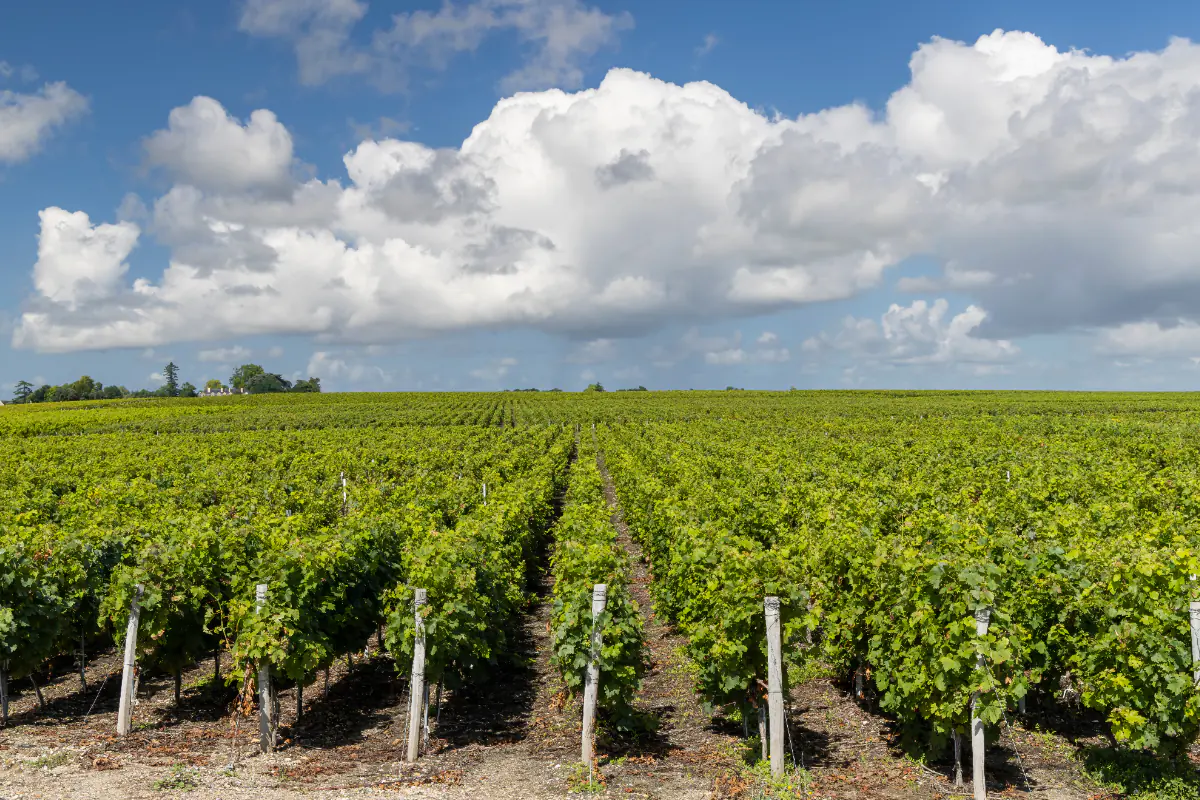
Visit France’s legendary wine capital! Taste world-class wines and tour historic châteaux.
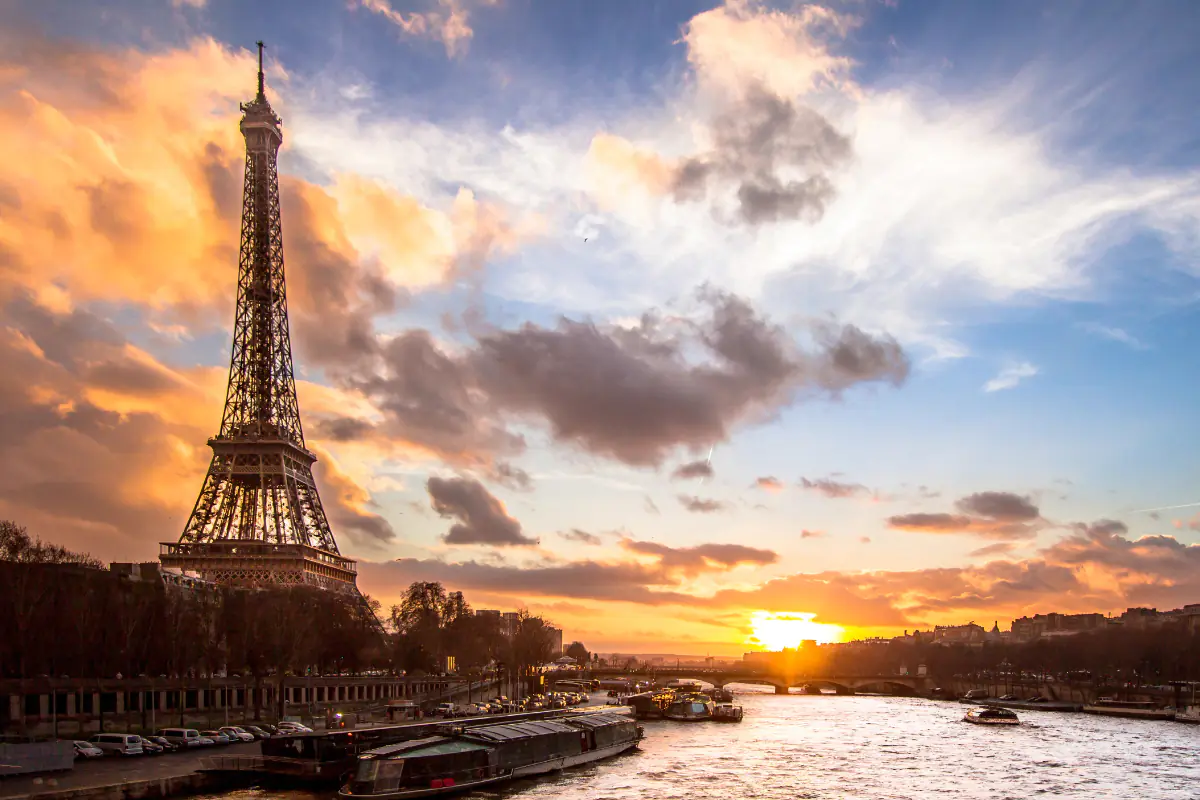
Louvre, Montmartre and Notre Dame in eight hours with a private driver-guide.