The short version
- Pick two châteaux for one day. Three is a blur.
- Choose one big one and one pretty one. Chambord and Chenonceau are the classic pair.
- Avoid Sundays if you can. The trains are fewer and slower.
- See Chambord and Chenonceau with us, lunch included.

What to see
Chenonceau
Chenonceau is the one built across the river, and it was run by women for most of its history. King Henri II gave it to his mistress, Diane de Poitiers. When he died, his widow Catherine de Médicis took it back, and she built the long gallery over the water.
In the First World War that gallery was a hospital ward. In the Second, the river was the line between occupied France and the free zone. The front door was on one side and the back door on the other, and people were walked through the gallery to get out.
Chambord
François I built Chambord as a hunting lodge, and he spent only a few weeks there in his whole life. The staircase in the middle is a double spiral, two sets of stairs wound around each other. One person can go up while another comes down, and they never meet. Leonardo da Vinci was living nearby when it was designed, and many historians think the idea was his.
In 1939 the Louvre packed up its paintings and sent them here for safekeeping. The Mona Lisa arrived in a crate and waited here before moving on.
Amboise
François I invited Leonardo to France in 1516 and gave him a manor house in Amboise, a short walk from the royal château. The old man crossed the Alps with the Mona Lisa in his baggage. He died here three years later, and his tomb is in the chapel of the château.
Villandry
Villandry is the one you visit for the gardens. Even the vegetables are planted in patterns, with cabbages and leeks laid out like a quilt. A Spanish doctor and his American wife bought the place in 1906 and spent their fortune putting the gardens back.
Cheverny
If Cheverny looks familiar, you read Tintin as a child. The cartoonist Hergé used it as the model for Captain Haddock’s house. He left off the two outer wings.
The wine
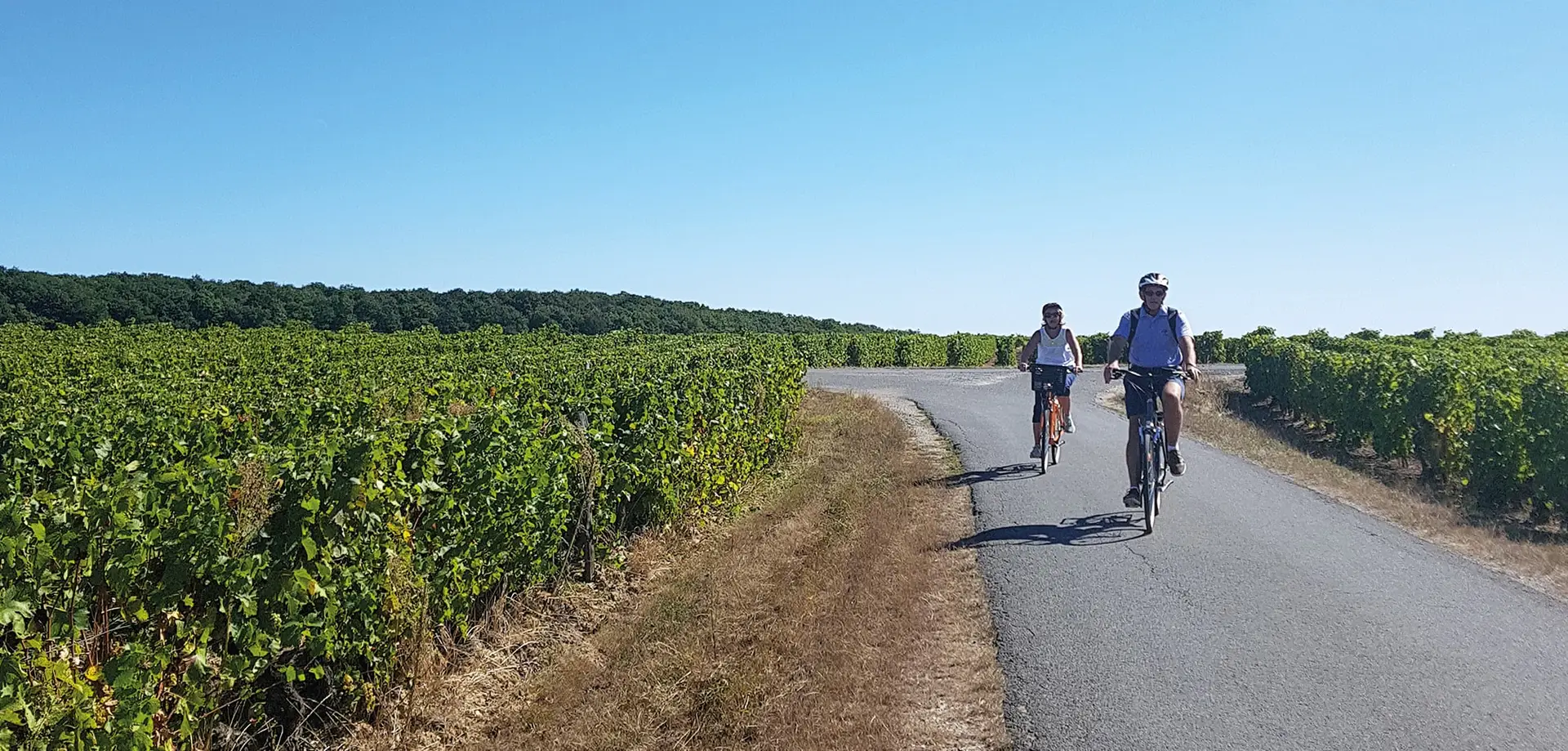
The châteaux are built of a soft white stone cut from the hillsides along the river. The quarries left behind miles of cool caves, and the winemakers moved in. Vouvray, just outside Tours, ages its white wines in them.

Getting there
Take the TGV from Paris Montparnasse to Tours. From there, short train rides reach Chenonceau, Amboise and Blois. Chambord takes a bus from Blois that runs twice a day, and Villandry and Cheverny have no useful bus.
When to go
April to October is the season, when the gardens are in flower and every château keeps long hours.
Frequently Asked Questions
Which Loire châteaux can you reach by train?
Chenonceau has its own station, and Amboise and Blois are each a short ride from Tours. Chambord needs a bus from Blois.
How many châteaux can you see in one day?
Two is the right number. Add a proper lunch and you have a full day.
Which is the biggest château in the Loire Valley?
Chambord, with 426 rooms and 282 fireplaces. It was built as a hunting lodge.
Did Leonardo da Vinci design Chambord?
Nobody can prove it. He lived nearby in Amboise when the plans were drawn, and the double-spiral staircase looks a lot like his sketches.
Is there a tour from Paris?
Yes. Our Loire Valley Day Trip visits Chenonceau and Chambord, with lunch and Loire wines at a private château in between. It is $330 per person, or $490 with second-class rail, with eight guests at most. It runs Tuesday to Sunday from April 1 to October 31. The Loire in one day or two compares it with our other Loire tours.