Our Top Loire Valley Tours from Paris
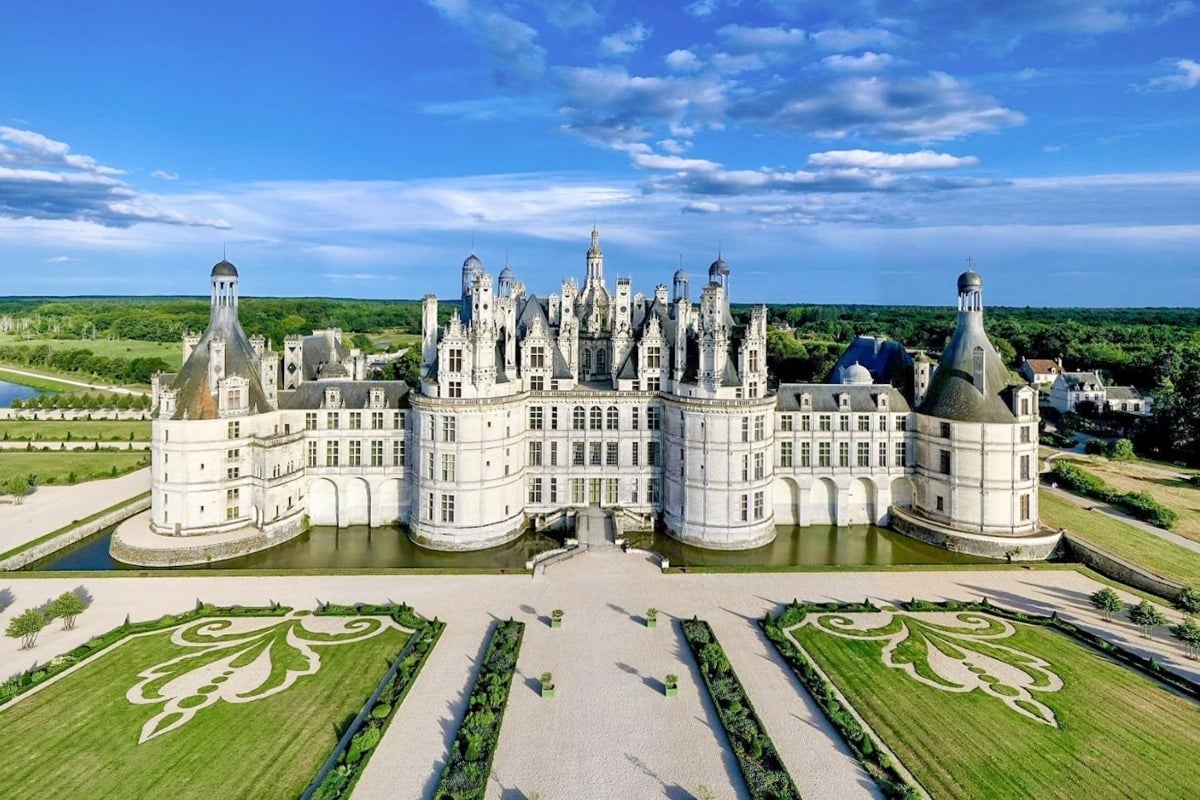
Chambord & Chenonceau Day Trip
Visit the Loire’s two most spectacular châteaux in one day. See Chambord’s 440 rooms and legendary double-helix staircase, then Chenonceau spanning the River Cher. Includes lunch with Loire wines at a private family estate. High speed train from Paris, back by dinner.
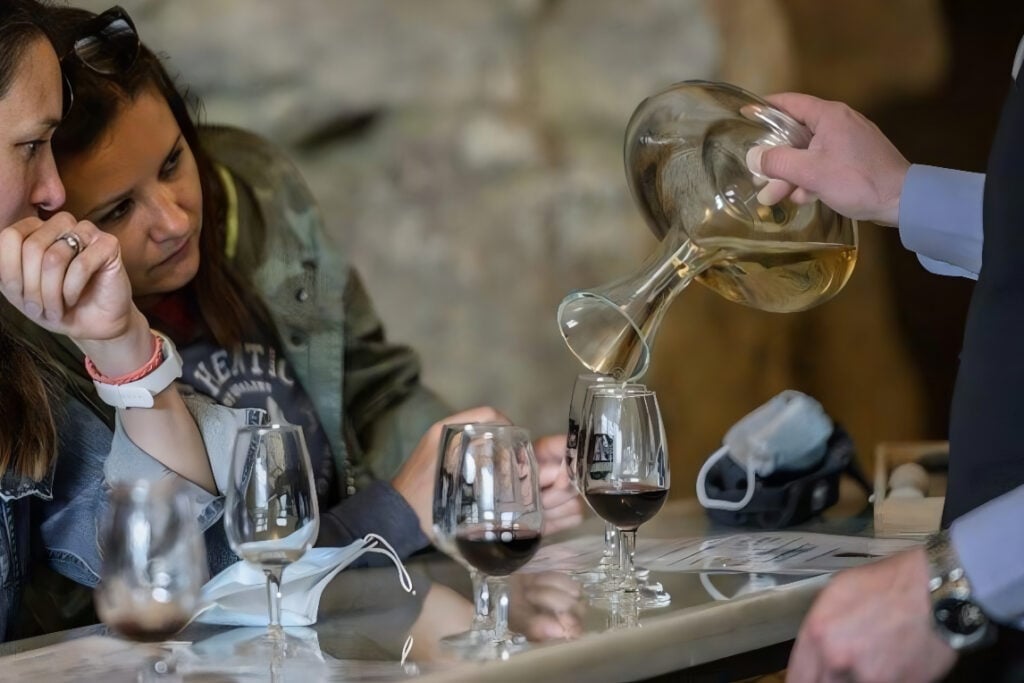
Loire Wine & Castle Tour
The best of both worlds—two historic châteaux plus a local wine cave tour. Taste Loire whites and reds between castle visits. All admissions and tastings included.
More Loire Valley Day Tours
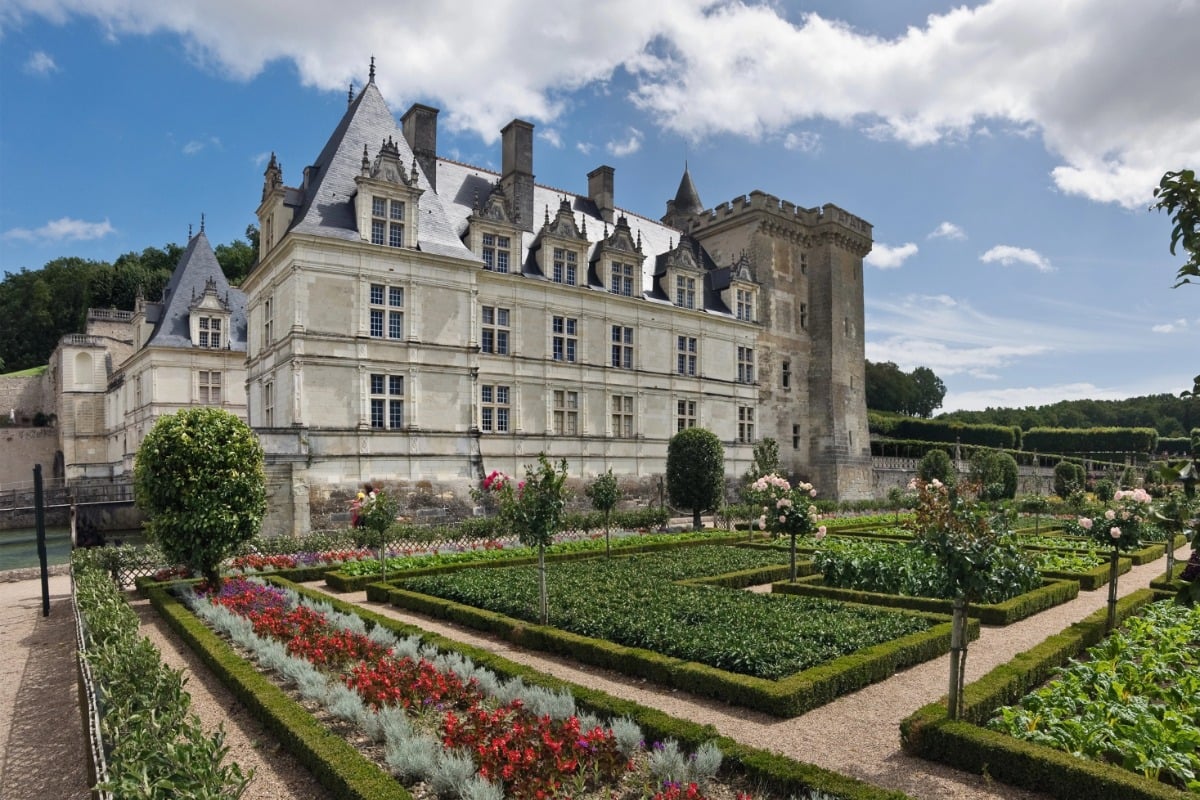
Villandry & Azay-le-Rideau
Explore two lesser-known gems without the crowds. Villandry’s Renaissance gardens are France’s finest; Azay-le-Rideau rises from an island in the Indre River. Includes Vouvray wine tasting.
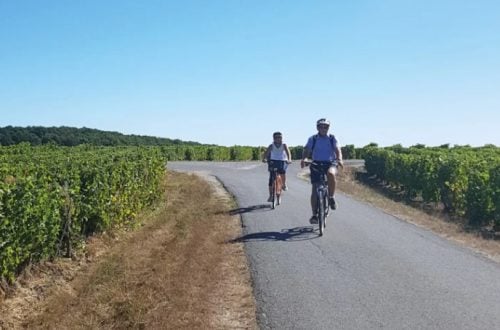
E-Bike Castle Tour
Cycle through the Loire countryside to Chambord and Château de Villesavin. 14 miles on flat terrain, wine cave visit included. Train from Paris, bikes and helmets provided.

2-Night Loire Valley Tour
Four châteaux over two days, two wine tastings, and two nights at a four-star hotel in Amboise—site of Leonardo da Vinci’s final home. The unhurried way to experience the Loire.
Questions? Ask Maud. Award-winning AI. Instant answers. Or reach us by email, WhatsApp, or call 424-386-5222.
From Our Customers…
About the Loire Valley Castles
The Loire Valley earned its nickname “Valley of Kings” for good reason. For centuries, French royalty built their grandest residences along the Loire river, transforming the region into an open-air museum of Renaissance architecture. Over 300 châteaux dot the valley today. Here are the major ones you’ll visit on our tours.
Chambord
The largest château in the Loire and the stunning vision of a 25-year-old king with unlimited ambition. François I began construction in 1519 as a hunting lodge—though “lodge” hardly describes 440 rooms, 282 fireplaces, and 800 sculpted columns. The king spent barely 40 nights here. It was built to impress, not to live in.
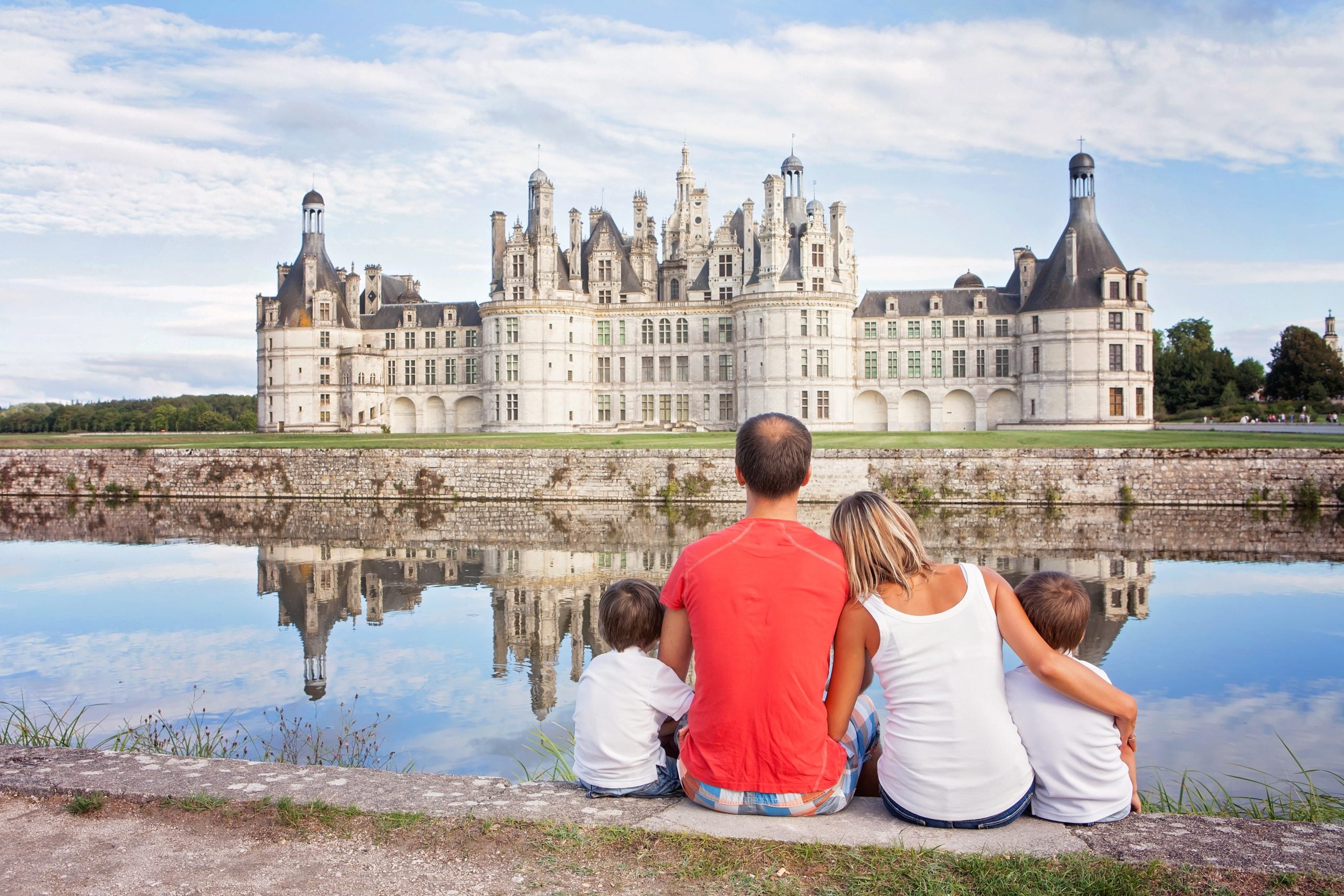
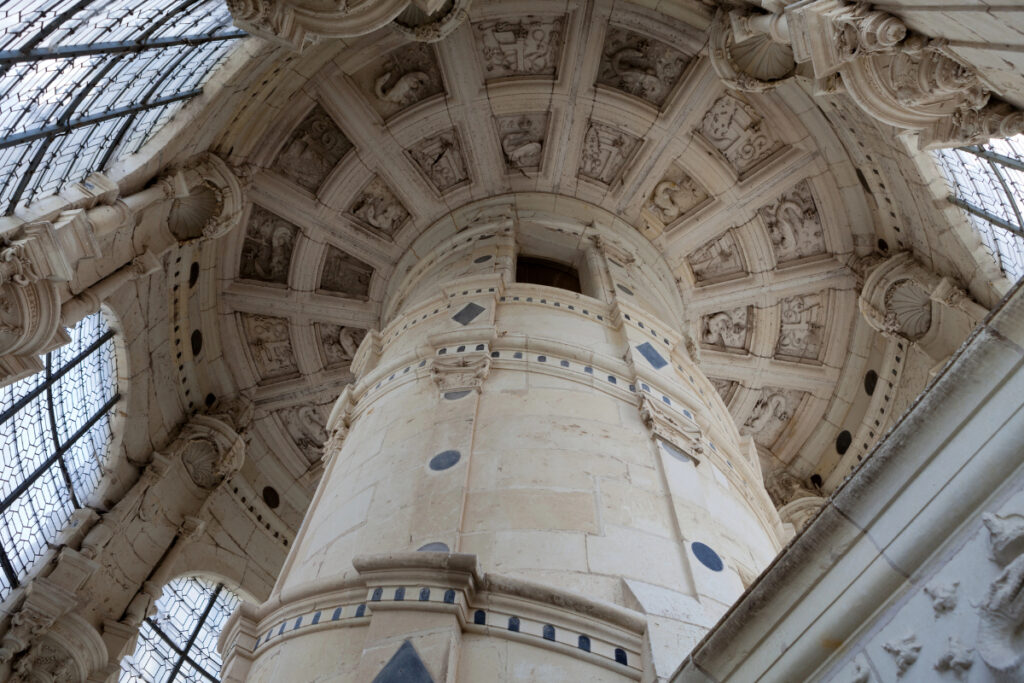
The centerpiece is the double-helix staircase—two intertwined flights where people ascending never cross those descending. No documents prove Leonardo da Vinci designed it, but he was living nearby as François’s guest when construction began. Coincidence? The roofline, a fantastical forest of towers, chimneys, and dormers, is unlike anything else in France.
Chenonceau
Chenonceau doesn’t sit beside the River Cher—it spans it. The château’s iconic arched gallery stretches across the water, a bridge doubling as a ballroom. After Versailles, it’s the most visited castle in France.
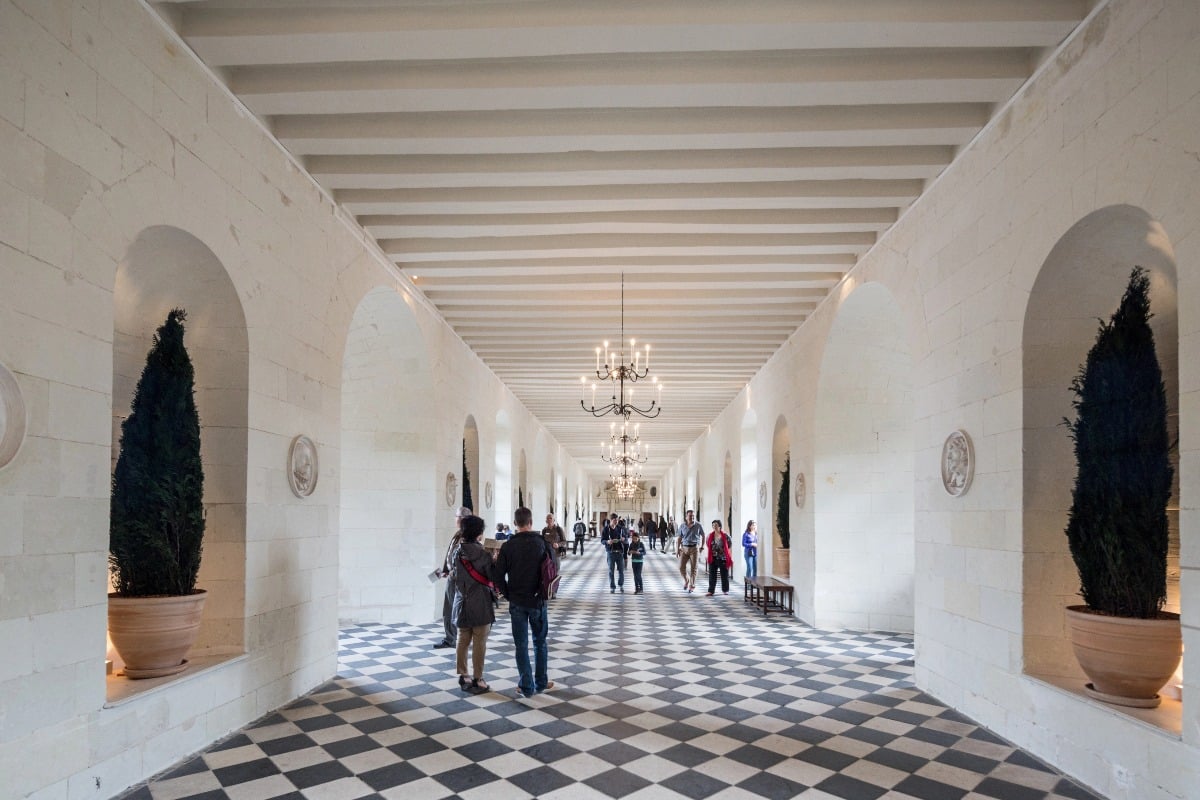
Its story belongs to women. Katherine Briçonnet oversaw the original construction. Diane de Poitiers, mistress of Henri II, added the bridge. When Henri died, his widow Catherine de Medici took revenge, claiming Chenonceau and extending Diane’s bridge into a grand gallery. During World War I, that gallery served as a hospital ward. During World War II, the river below marked the border between occupied and free France—refugees escaped through the château itself.
Villandry
Villandry is famous not for its rooms but for what surrounds them. Its Renaissance gardens—restored over decades by a Franco-American family—are considered the finest in France. Geometric vegetable plots, ornamental flower beds, and clipped hedges create living architecture across six terraces.
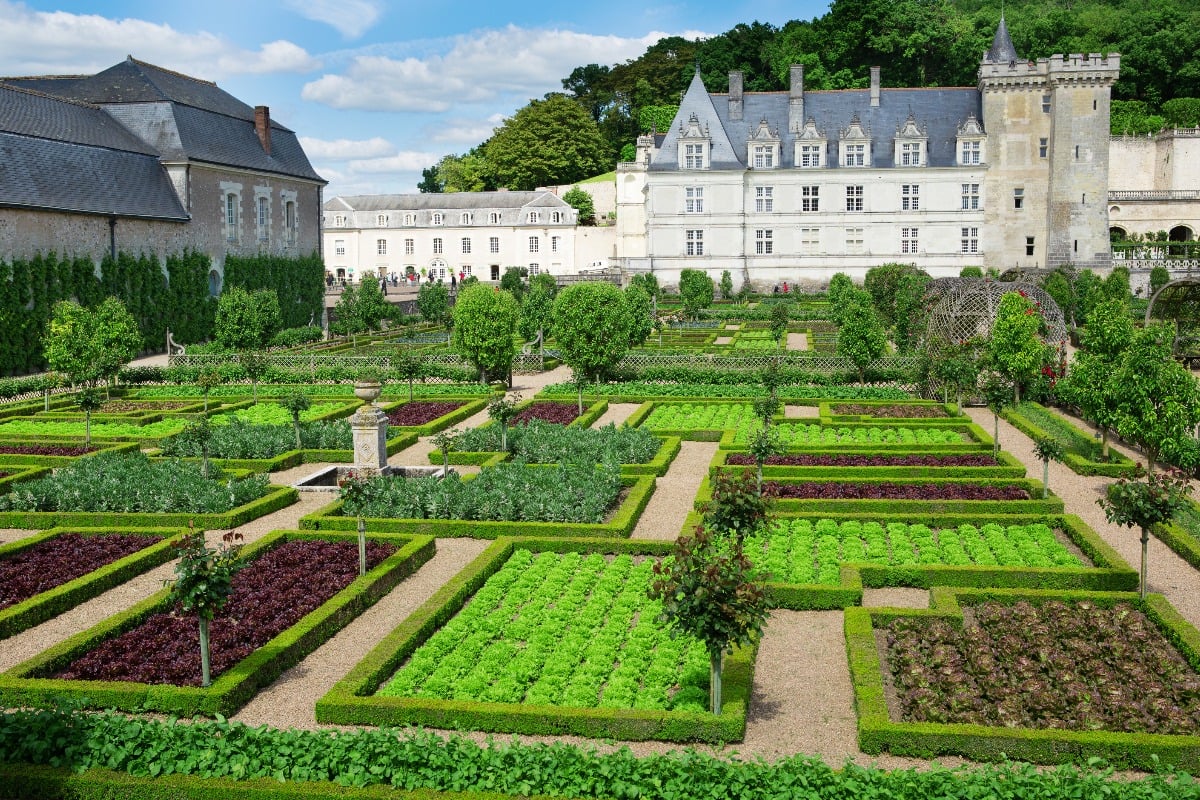
The château itself, the last major Renaissance castle built in the Loire, takes second billing to the gardens. Visit in spring or summer when the 1,000+ lime trees and 52 kilometers of box hedging are in full display.
Amboise
Perched on a rocky spur above the Loire, Amboise served as the royal residence for Charles VIII, Louis XII, and François I. It was here that the French Renaissance truly began—François invited Italian artists and thinkers to his court, including Leonardo da Vinci, who spent his final three years in a manor just steps from the château.
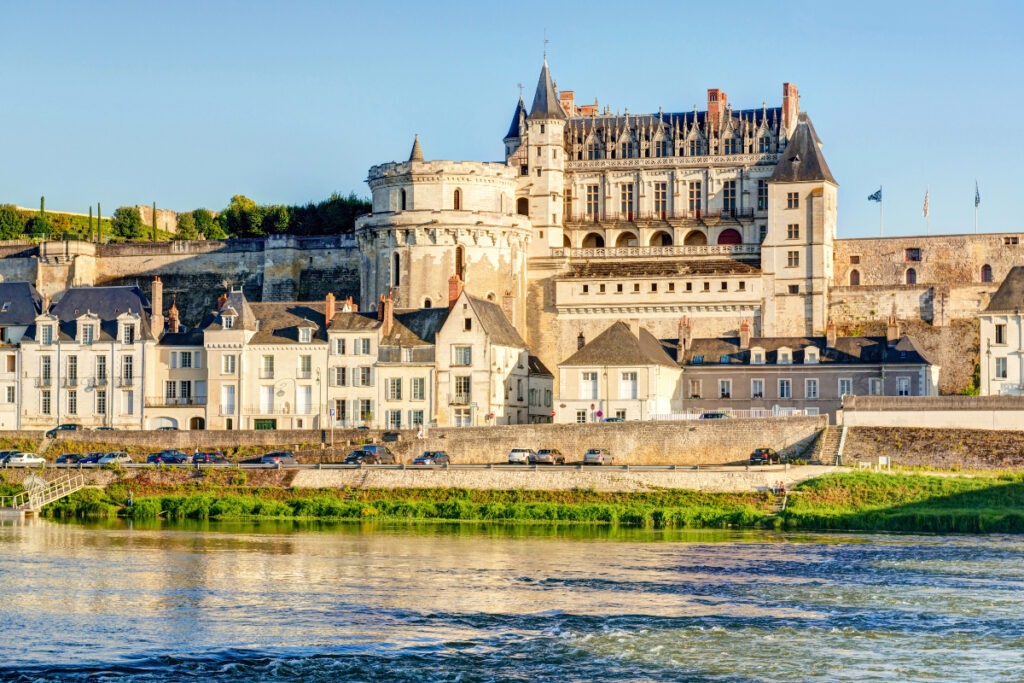
Leonardo died at Clos Lucé in 1519 and is buried in the château’s Chapel of Saint-Hubert. The modest tomb, marked by a simple stone slab, draws visitors from around the world. The town of Amboise itself remains one of the Loire’s most charming bases for exploring the valley.
Azay-le-Rideau
Built on an island in the Indre River, Azay-le-Rideau appears to float on water. Balzac called it “a faceted diamond set in the Indre.” The château blends medieval French turrets with the new Italian Renaissance style—an early experiment that influenced every Loire castle that followed.
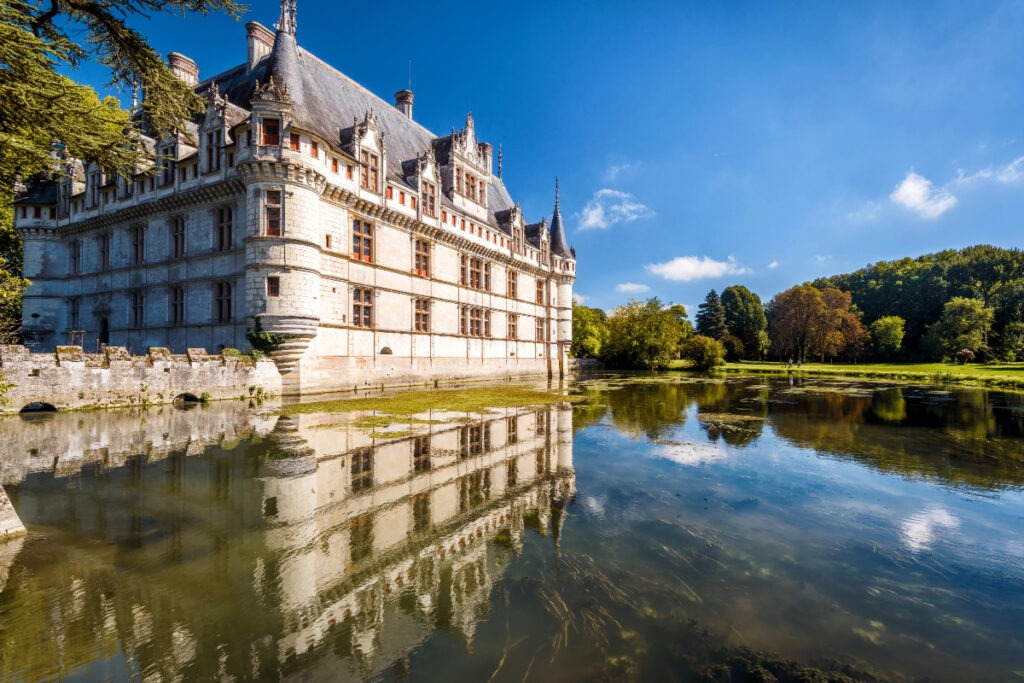
Construction began in 1518 for a wealthy financier, but he fled France mid-project when accused of embezzlement. The king seized the unfinished château. It changed hands for centuries before the French state acquired it in 1905. Today its reflection in the still water remains one of the most photographed images in the Loire Valley.
Loire Valley Wines
The Loire Valley is France’s third-largest wine region, stretching 600 miles from the Atlantic coast to the hills of Sancerre. The wines here are lighter, crisper, and more food-friendly than their Bordeaux and Burgundy cousins—perfect for a long lunch at a château.
Vouvray — The Loire’s signature white, made from Chenin Blanc grapes grown in chalky tuffeau soil. Styles range from bone-dry to honeyed sweet, plus some of France’s finest sparkling wines. The cellars are carved directly into the soft limestone hillsides—cool, humid caves that have aged wine for centuries.
Sancerre — Crisp, mineral-driven Sauvignon Blanc from the eastern Loire. If you’ve ever had a grassy, citrusy French white, it was probably Sancerre or its neighbor Pouilly-Fumé. Best young, best cold, best with goat cheese from farmers who live in these same hills.
Chinon — The Loire’s great red, made from Cabernet Franc. Lighter than Bordeaux, with notes of raspberry, violet, and pencil lead. Locals drink it slightly chilled—unusual for a red, but it works.
Our Loire wine tours include tastings at family-owned estates and visits to the ancient tuffeau caves where the wines age. No pretension, just good wine and the people who make it.
Planning Your Visit
Getting There
The TGV from Paris Montparnasse reaches Tours in just one hour—faster than driving to Versailles in traffic. Our guides meet you at the station; no rental car needed. You’ll be walking through your first château by mid-morning and back in Paris in time for a late dinner.
Best Time to Visit
April through October offers the best weather and longest days. Gardens peak in late spring and early summer. Harvest season (September–October) brings energy to the vineyards but slightly larger crowds. Winter visits are possible—several châteaux stay open year-round—but some close seasonally.
Weather
The Loire enjoys a mild climate, but pack layers. Morning mist can give way to warm afternoons, and rain is always possible. Comfortable walking shoes are essential—château grounds cover acres of gravel paths and uneven stone.
How Long to Spend
A day trip covers two or three châteaux comfortably. Two or three nights let you explore at a slower pace—visit more castles, linger over wine tastings, and experience the valley in the evening light when the tour buses have left.
Frequently Asked Questions
Can I see the Loire Valley in one day from Paris?
Yes. The TGV gets you to Tours in an hour, giving you a full day to visit two or three châteaux before returning to Paris for dinner. It’s our most popular option.
Which castles should I visit?
Chambord and Chenonceau are the must-sees—the Loire’s two most spectacular châteaux. If you prefer gardens over grand halls, add Villandry. For Leonardo da Vinci history, visit Amboise and Clos Lucé.
Is wine tasting included?
Most of our Loire tours include at least one wine tasting. Our Wine & Castle Tour and Villandry & Azay-le-Rideau tour both feature visits to local estates with generous tastings included.
What’s the difference between your tours?
Chambord & Chenonceau focuses on the two iconic castles with a wine lunch. Villandry & Azay-le-Rideau features lesser-known châteaux and stunning gardens. The E-Bike tour adds cycling through the countryside. Our 2-Night and 5-Day options let you explore at a relaxed pace with overnight stays.
Do you offer private tours?
Yes. Any tour can be made private for your group. Contact us for pricing and details.
What if I’m already in the Loire Valley?
Our tours meet at the Tours train station, so you can join from anywhere. If you’re staying in Amboise or another Loire town, just meet us at the start point.